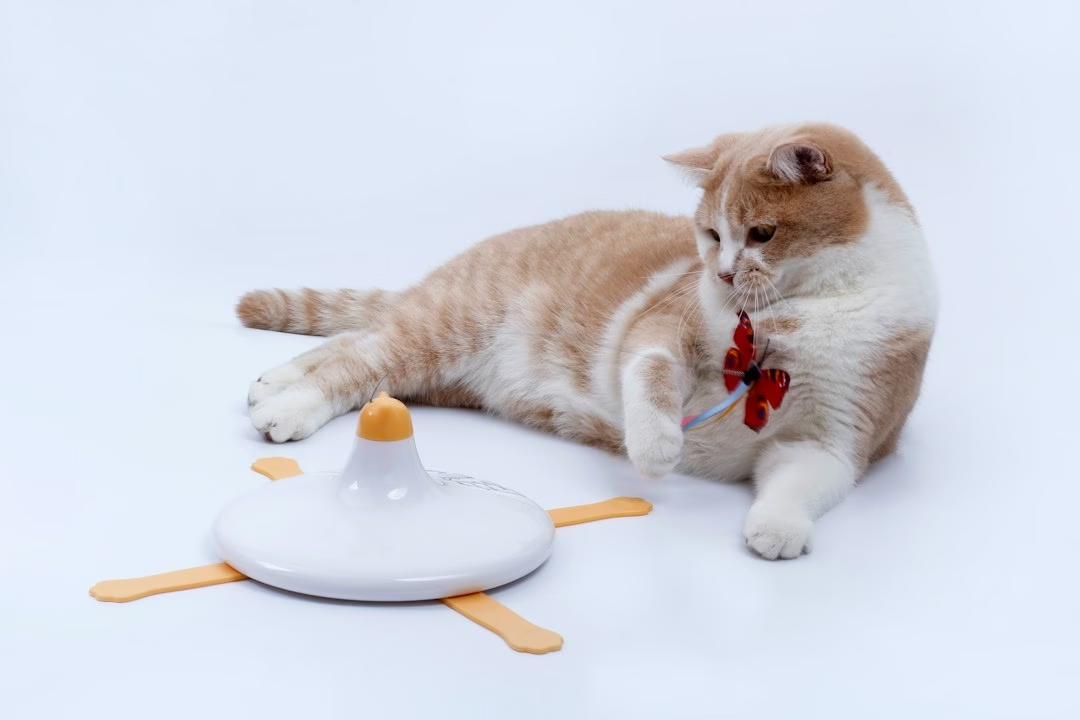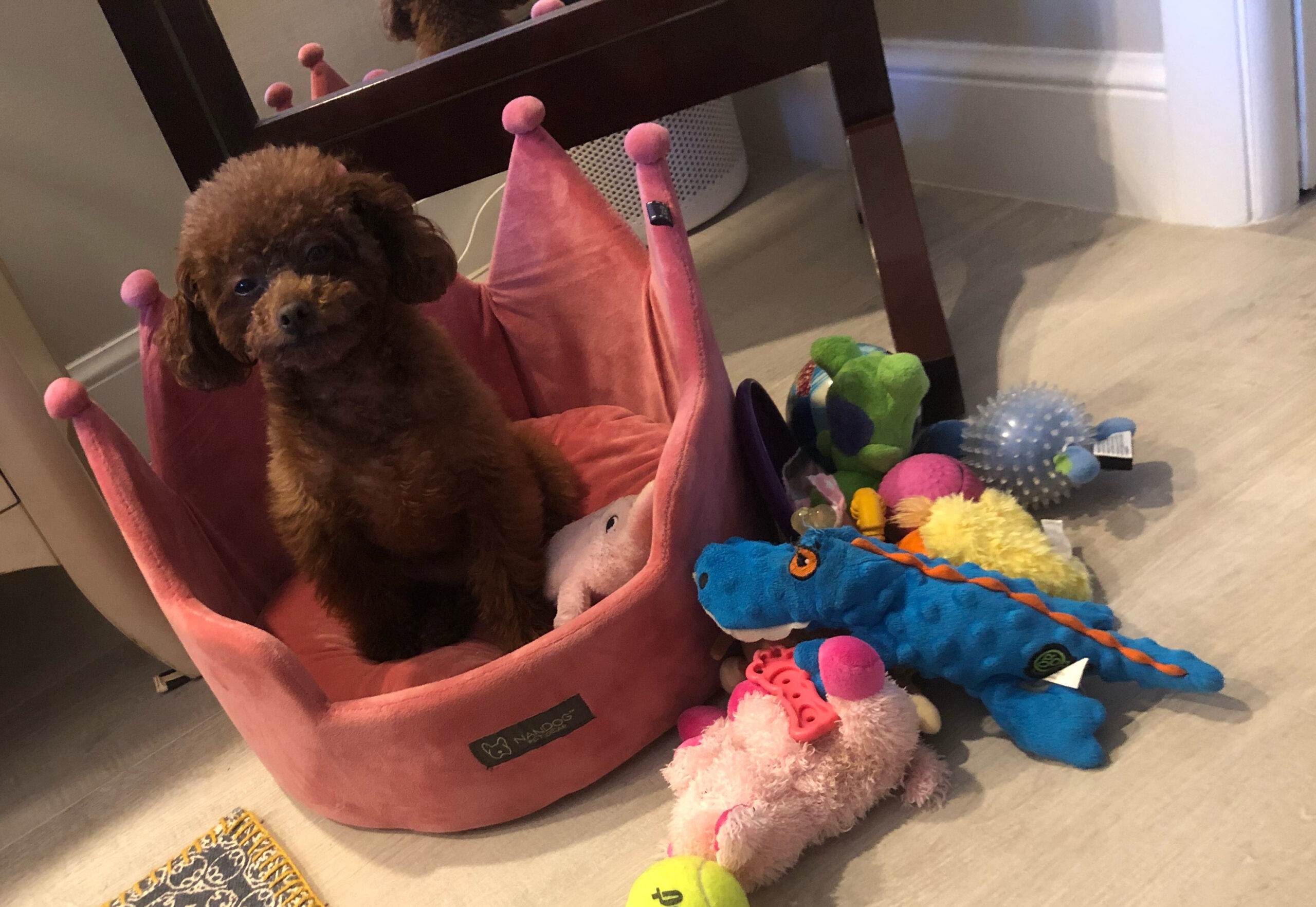


If your dog can sniff out a treat through three closed doors and a blanket pile, you are officially dealing with a very smart, very bored canine. Dog puzzle toys are one of the easiest ways to turn that brainpower into something useful: slower mealtimes, calmer evenings, and fewer attempts to redecorate the couch with those lovingly shredded corner tufts.
The best dog puzzle toys do more than hand out snacks. They encourage sniffing, pawing, nudging, problem-solving, and a little patience. That makes them perfect for rainy days, home alone stretches, high-energy dogs, and pups who seem to believe every minute of life should involve a game. If you are trying to figure out which puzzle toy is worth buying first, this guide breaks down the best options, what they are good for, and how to choose one that actually fits your dog.
Quick Picks: The Best Dog Puzzle Toys at a Glance
| Toy | Best for | Why it stands out |
|---|---|---|
| Outward Hound Nina Ottosson Dog Brick | Beginners and moderate thinkers | Sliding compartments and flip covers create a fun starter challenge |
| KONG Wobbler | Fast eaters and food-motivated dogs | Dispenses kibble as it rolls and wobbles |
| Trixie Flip Board | Dogs ready for a bit more variety | Multiple puzzle actions in one compact toy |
| Outward Hound Hide-A-Squirrel | Dogs who love hunting and plush play | Great for squeakers, searching, and interactive fetch-style fun |
| West Paw Toppl | Stuffing, freezing, and enrichment meals | Works well as a treat-dispensing feeder with adjustable difficulty |
Why Dog Puzzle Toys Work So Well
Dogs are natural problem-solvers. In the wild, the reward for effort is food, and puzzle toys tap into that same instinct in a safe, indoor-friendly way. Instead of inhaling kibble in ten seconds flat, your dog has to work for the payoff. That extra effort can help them feel more satisfied after meals and can take the edge off boredom-related behaviors like pacing, barking, and nuisance chewing.
Puzzle toys also provide mental exercise, which is just as important as physical exercise for many dogs. A short puzzle session can leave a dog pleasantly tired in a way that a quick walk sometimes cannot. Think of it as a brain workout with snacks.
How to Choose the Right Puzzle Toy for Your Dog
Match the toy to your dog’s play style
Some dogs love sliding pieces and solving mini logic problems. Others want to nose, lick, roll, or shred fabric. A puzzle toy that matches your dog’s instincts will usually get more use. If your dog is food-driven, treat-dispensing toys are often the fastest win. If your dog loves to hunt and search, snuffle-style play and hide-and-seek toys may be more exciting.
Consider size, age, and chewing strength
A toy that is great for a gentle adult retriever may not be the right fit for a tiny puppy or a powerful chewer. Choose a size that cannot be swallowed and a material that matches your dog’s habits. If your dog tends to chew first and think later, avoid toys with fragile moving parts or plush pieces that can be pulled apart quickly.
Start easier than you think
If a puzzle is too hard on day one, some dogs give up. Start with the easiest level, show your dog how the game works, and make the reward obvious. Once your dog understands the game, you can move up to a more challenging toy or make the reward a little harder to access.
The Best Dog Puzzle Toys for Bored Dogs
1. Outward Hound Nina Ottosson Dog Brick
Best for: Dogs new to puzzle toys or dogs who enjoy a moderate challenge.
Why we like it: The Dog Brick combines sliding blocks and flip-open compartments, so your dog has to use more than one strategy to reach the treats. It is a nice middle ground between an easy beginner toy and a more complex challenge.
How dogs use it: Most dogs sniff, paw, and nudge the pieces until the hidden treats are revealed. It works well for kibble, small treats, or a mix of both.
- Pros: Easy to understand, good variety of actions, useful for mental stimulation.
- Potential drawbacks: Very smart dogs may solve it quickly, and overly enthusiastic chewers may focus on the parts instead of the puzzle.
PetHomeGoods verdict: One of the best starter puzzle toys if you want a real challenge without overwhelming your dog.
2. KONG Wobbler
Best for: Dogs who eat too fast or dogs who need a treat toy that also acts like a moving target.
Why we like it: The Wobbler is simple, sturdy, and satisfying. It stands upright, wobbles as your dog pushes it, and dispenses food as it moves. That makes dinner feel a little more like a game and a little less like a vacuum-cleaning event.
How dogs use it: Your dog nudges or paws the toy, it tips and rolls, and kibble comes out in small portions.
- Pros: Great for slow feeding, easy to refill, encourages movement during mealtime.
- Potential drawbacks: Can be noisy on hard floors, and it is not meant to be a chew toy.
PetHomeGoods verdict: A smart pick for dogs that need mealtime enrichment more than they need a logic puzzle.
3. Trixie Flip Board
Best for: Dogs ready for a bit more variety in their puzzle play.
Why we like it: The Flip Board offers different challenge types in one toy, which keeps clever dogs interested longer. It usually includes lids, sliders, and flaps, so your dog has to try different techniques to get to the reward.
How dogs use it: Dogs lift, slide, and flip the pieces with nose and paw work. It is especially good for dogs that are curious and willing to experiment.
- Pros: More variety than a single-action toy, compact, mentally engaging.
- Potential drawbacks: Small parts can invite rough treatment, so supervision is important.
PetHomeGoods verdict: A strong choice if your dog already understands puzzle toys and needs the next step up.
4. Outward Hound Hide-A-Squirrel
Best for: Dogs who love plush toys, squeakers, and hunting games.
Why we like it: This one is less about mechanical problem-solving and more about satisfying your dog’s search instinct. Dogs pull the little squeaky squirrels out of the log, then often want you to put them back so the game can start again. That is the canine version of an encore.
How dogs use it: They search, dig, pounce, and retrieve the plush squirrels from the log.
- Pros: Great for interactive play, fun for dogs who like plush toys, easy to use right away.
- Potential drawbacks: Not ideal for heavy chewers, and the plush pieces may not last long with rough play.
PetHomeGoods verdict: Best for dogs that like to hunt and retrieve rather than solve hard mechanical puzzles.
5. West Paw Toppl
Best for: Dogs that need an enrichment feeder, a frozen treat challenge, or a toy that can be used in multiple ways.
Why we like it: The Toppl is a versatile treat-dispensing toy that can be stuffed with kibble, wet food, peanut butter, or other dog-safe fillings, then frozen for a longer-lasting challenge. It is especially useful when you want an activity that keeps a dog busy for more than a few minutes.
How dogs use it: Dogs lick, paw, and work at the contents until the toy is emptied. It can turn breakfast or dinner into a longer enrichment session.
- Pros: Flexible use, good for stuffing and freezing, useful for indoor enrichment.
- Potential drawbacks: Messier than dry puzzle toys, and the best fill strategy may take a little trial and error.
PetHomeGoods verdict: A fantastic option if you want one toy that can do regular meals, frozen treats, and boredom busting.
How to Make Puzzle Time Even Better
Want to stretch your dog’s focus without buying five different toys? Rotate them. Dogs often get bored when they see the exact same setup every day. Use one toy for breakfast, a different one in the evening, and a simple sniff-based game on the weekend. Variety keeps the novelty alive.
You can also make the reward more exciting by using part of your dog’s meal instead of only high-value treats. That keeps calories under control while still giving your dog a job to do.
PetHomeGoods fun idea
Turn dinner into a mini treasure hunt by hiding small portions of kibble in two puzzle toys and scattering a few pieces in a snuffle mat or around a room. Let your dog solve the whole meal like a furry little detective. If your dog finishes too fast, increase the challenge by adding one extra step, not by making the game impossible.
Safety Tips for Dog Puzzle Toys
Supervise first-time play
Always watch your dog the first few times they use a new toy. That helps you see whether they understand the game, whether they get frustrated, and whether they try to chew off pieces instead of solving the puzzle.
Avoid toys that are too small or too fragile
If a toy has removable parts, make sure those parts are large enough for your dog and securely attached. For strong chewers, choose sturdier options and skip delicate plush puzzles unless you plan to supervise closely.
Clean the toy regularly
Treat toys can collect saliva, food residue, and dust. Wash them according to the manufacturer’s instructions so the toy stays hygienic and your dog stays interested in it. Many treat-dispensing toys are easier to maintain when they are cleaned right after use.
Common Questions About Dog Puzzle Toys
Are puzzle toys good for dogs home alone?
Yes, as long as the toy is safe for unsupervised use and your dog does not tend to destroy toys quickly. For dogs left alone, choose sturdy treat-dispensing toys or simple enrichment feeders rather than toys with small removable parts.
How often should I use puzzle toys?
There is no single rule, but many dogs do well with one or two puzzle sessions a day, especially if those sessions replace a boring bowl meal or a restless stretch of the afternoon. Start small and see what keeps your dog engaged without overdoing the treats.
Are puzzle toys good for puppies?
Yes, with supervision and age-appropriate choices. Puppies often benefit from easy puzzle toys because they are still learning how to focus. Keep the challenge light, avoid tiny parts, and choose safe fillings.
What if my dog loses interest?
Go back to an easier toy, increase the reward value, or show your dog how the game works for a few sessions. Some dogs need a little coaching before the puzzle clicks. Others just prefer scent work over sliding panels, so it helps to test different styles.
The best dog puzzle toys are not about making your pet work harder for the sake of it. They are about giving your dog a satisfying job, one that uses instincts they already have and turns spare energy into happy concentration. If your dog comes away from puzzle time a little calmer, a little prouder, and less interested in turning your throw pillows into confetti, you have found the right kind of enrichment.
Related Posts