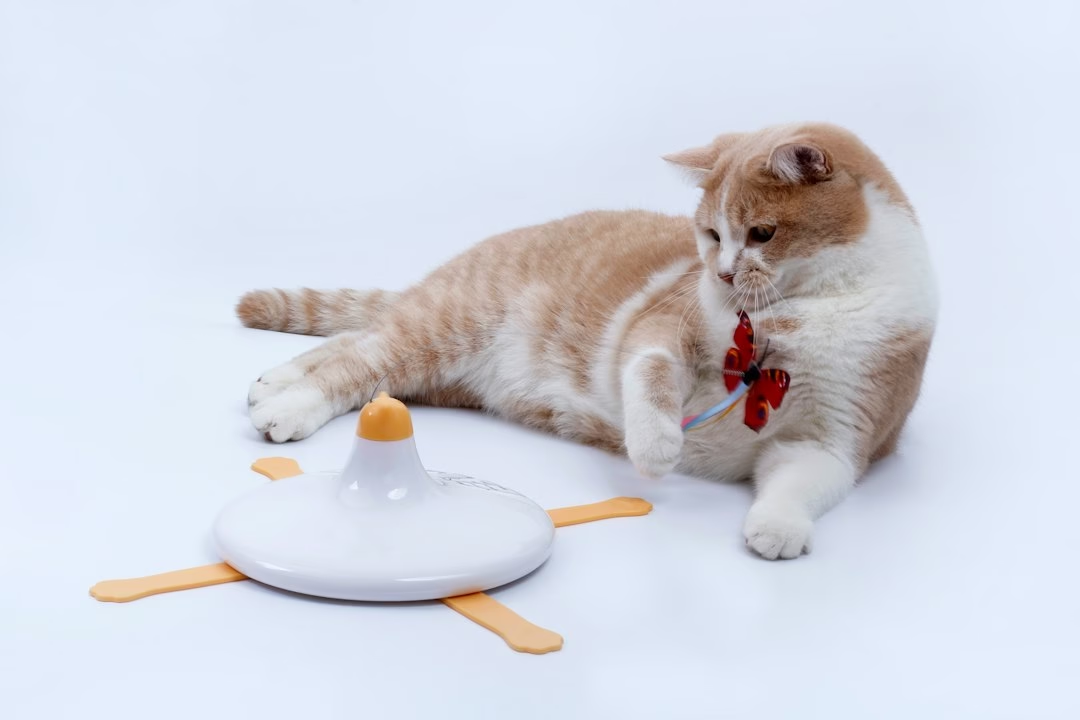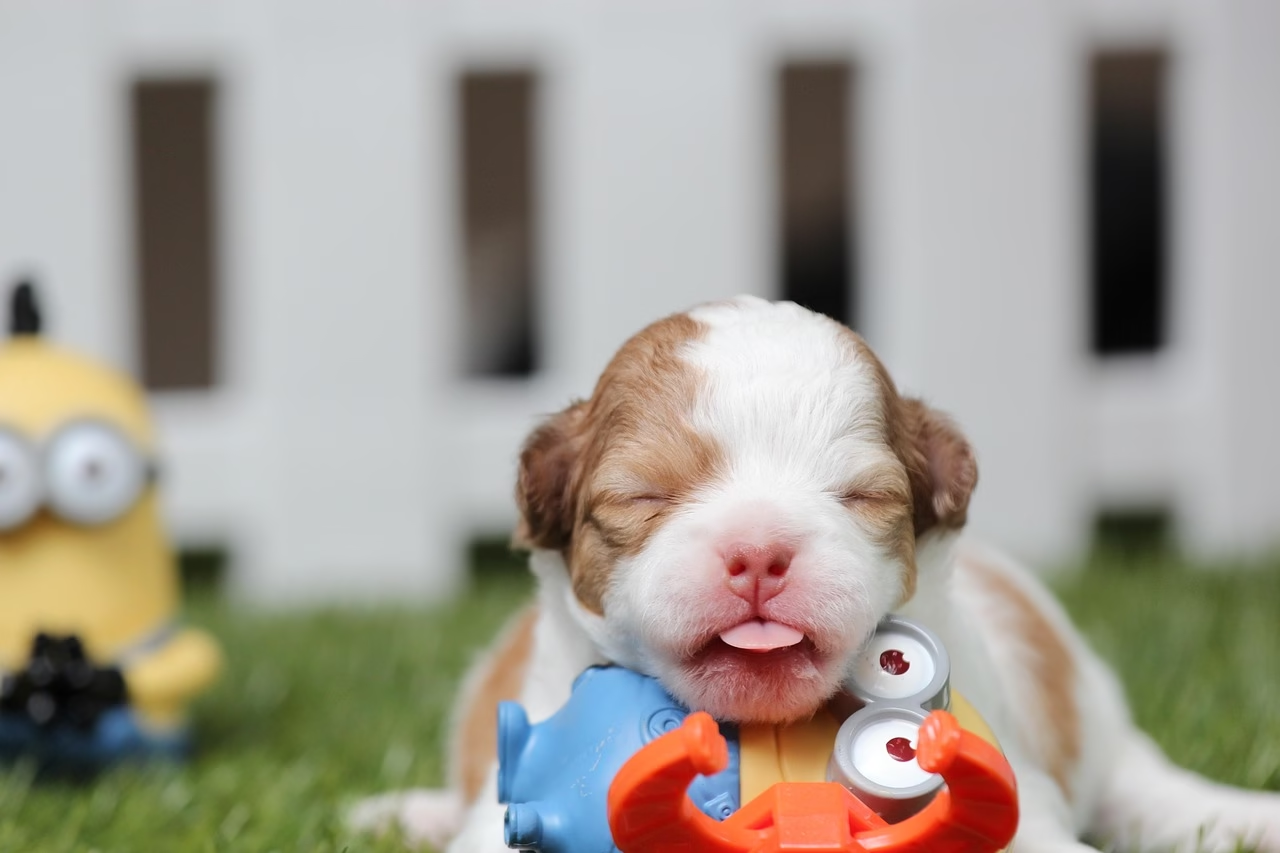
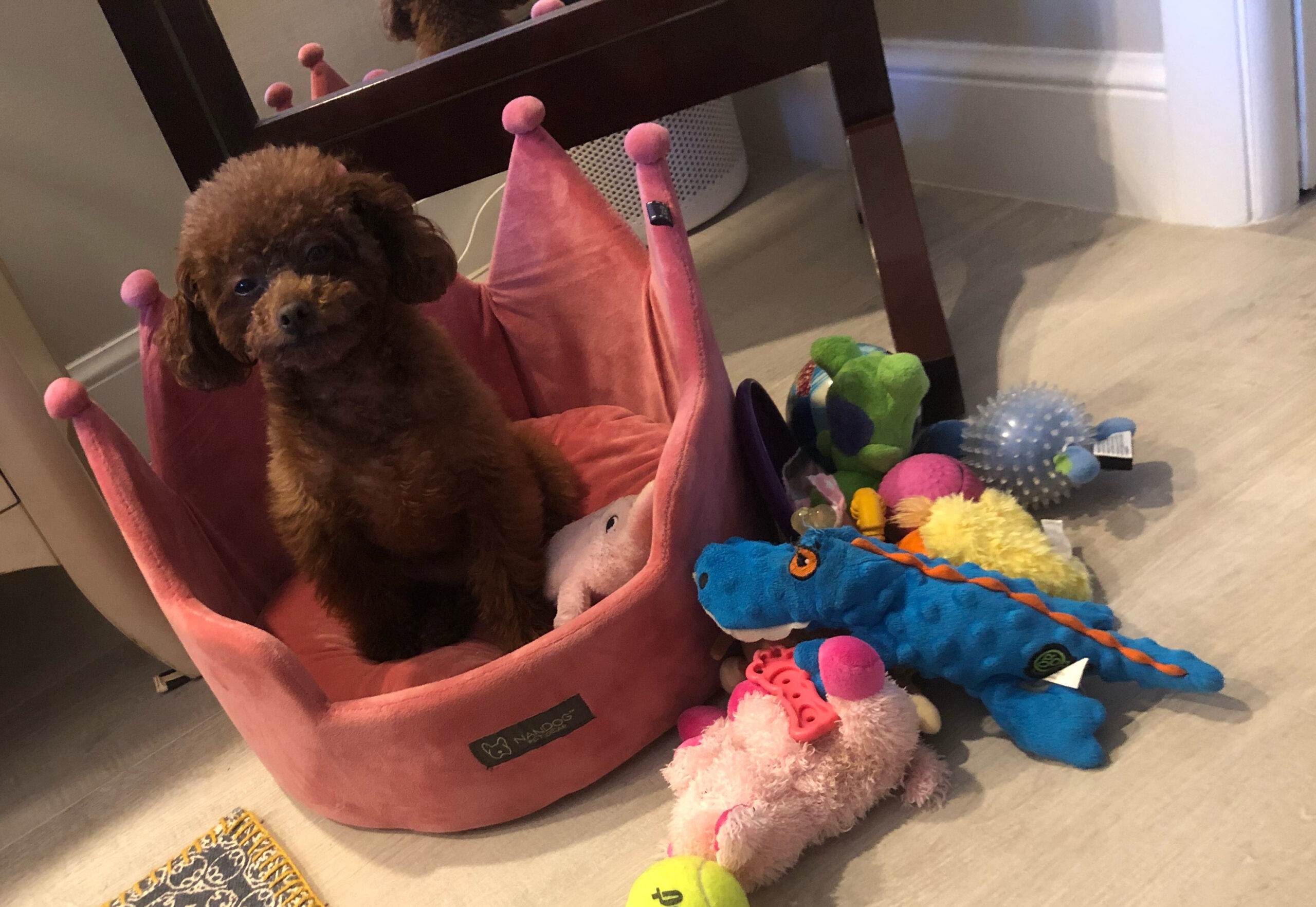

Rainy days, cold weather, busy schedules, and apartment living can make outdoor play more difficult. Fortunately, small dogs do not need a huge yard to stay active and entertained. The best indoor toys for small dogs provide a combination of movement, problem-solving, chewing, sniffing, and time with their favorite person.
The right toy can help prevent boredom, encourage healthy activity, and give your dog an appropriate outlet for natural behaviors. Here are the best indoor toy categories to consider—and how to choose them safely.
1. Puzzle Toys for Mental Stimulation
Puzzle toys hide treats or pieces of your dog’s regular meal inside compartments, sliding panels, or other areas your dog must investigate. They are excellent for curious small dogs who enjoy figuring things out.
Start with an easy puzzle so your dog learns how the game works. Once your dog understands it, you can introduce more challenging designs. If the toy is too difficult, your dog may lose interest or become frustrated.
Puzzle toys are especially useful when you are working from home, preparing dinner, or looking for a calm activity before bedtime. Use part of your dog’s daily food allowance rather than adding extra treats.
2. Treat-Dispensing Toys
Treat-dispensing toys release small amounts of food as your dog pushes, rolls, or nudges them. They can turn snack time into a fun indoor activity and may help slow down dogs who eat too quickly.
Choose a toy designed for your dog’s size and chewing style. A toy made for a large, powerful chewer may be too heavy or difficult for a Toy Poodle, Chihuahua, Maltese, or other small breed. Look for a size that is easy for your dog to carry but cannot be swallowed.
For longer-lasting enrichment, some food toys can be filled with soaked kibble or veterinarian-approved food and frozen. The American Animal Hospital Association recommends appropriately sized frozen food toys as one way to extend engagement indoors.
3. Snuffle Mats and Foraging Toys
Snuffle mats encourage dogs to use their noses to find hidden kibble or treats among fabric strips. This type of play is low-impact, mentally engaging, and often a good choice for small dogs who enjoy sniffing more than chasing.
Foraging toys can also include fabric hide-and-seek toys, treat blankets, and activity mats with pockets. Begin by placing food in easy-to-find areas. As your dog improves, make the search slightly more challenging.
Always supervise your dog with a snuffle mat or fabric toy. Remove it if your dog begins pulling off and swallowing pieces of material.
4. Small Rubber Chew Toys
Chewing is a normal dog behavior, and a durable rubber toy can give your dog a safe alternative to shoes, furniture, and chair legs. Select a toy that has some flexibility and is labeled for small dogs.
Avoid toys that are so hard they could damage teeth. A toy should also be large enough that your dog cannot fit the entire item in their mouth. Inspect it regularly and replace it when pieces begin to break off.
Dogs vary widely in chewing strength. A small dog is not automatically a gentle chewer, so choose based on your individual dog rather than breed name alone.
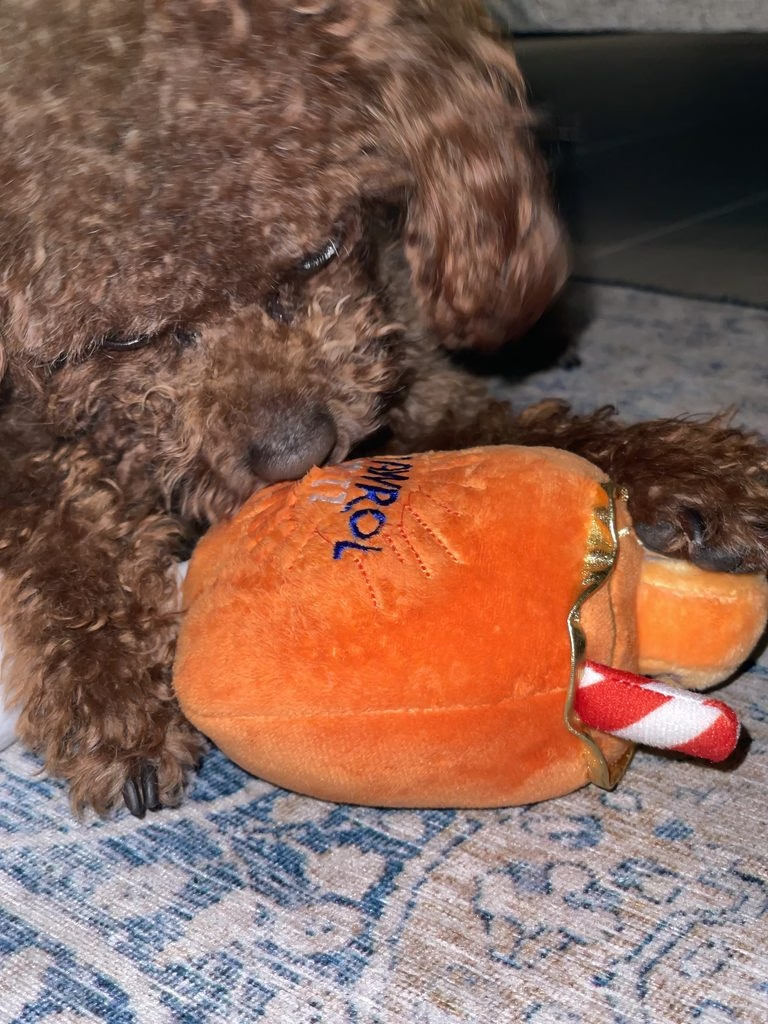
5. Plush Squeaky Toys
Many small dogs love plush toys because they are soft, easy to carry, and fun to shake. Squeaky toys can provide excitement and interactive play, particularly for dogs who enjoy chasing and retrieving.
Plush toys are best for dogs who do not immediately destroy and ingest them. If your dog removes stuffing, eyes, noses, or squeakers, take the toy away and choose a more durable option. Plush toys should not be treated as indestructible.
For dogs who enjoy “killing” their toys, look for reinforced plush designs without small removable parts—and supervise play closely.
6. Mini Fetch Toys
Fetch can be played indoors if you have a safe, uncluttered hallway or room. Choose a lightweight ball or soft toy that is easy for a small dog to pick up. Avoid throwing toys near stairs, slippery floors, glass, or furniture with sharp corners.
Short rounds of fetch can provide physical exercise, but small dogs may tire quickly. Give your dog breaks and stop if they begin to pant heavily, slip, limp, or lose interest.
If your dog does not naturally retrieve, try rolling the toy a short distance and rewarding your dog for showing interest. The goal is enjoyable movement, not a perfect game of fetch.
7. Tug Toys for Interactive Play
Small rope or fleece tug toys can encourage movement and strengthen the bond between dogs and their people. Use gentle, horizontal movements and allow your dog to release the toy frequently. Avoid yanking upward or twisting the neck.
Tug toys should be used interactively and put away after play, especially if your dog likes to shred and swallow rope fibers. Frayed rope can become a choking hazard or cause problems if swallowed.
8. Flirt Poles and Chase Toys
A flirt pole is a lightweight toy attached to a flexible rod and line. It allows a dog to chase and pounce while the owner controls the movement. For small dogs, use a lightweight version with a small, secure attachment.
Keep the activity low to the ground and avoid encouraging high jumps or sharp turns. This is particularly important for older small dogs and dogs with joint, back, or kneecap problems. A flirt pole is not appropriate for every dog, so ask your veterinarian if your dog has mobility concerns.
9. Lick Mats
Lick mats provide a calming, focused activity. You can spread a thin layer of your dog’s regular wet food or another veterinarian-approved option across the surface. Some lick mats can be frozen to make the activity last longer.
Because lick-mat toppings contain calories, use a small amount and include it in your dog’s daily food plan. Supervise your dog at first to make sure they do not chew pieces from the mat.
10. DIY Indoor Enrichment Games
You do not need a large toy collection to entertain your dog. Try these simple indoor games:
- Hide a favorite toy and encourage your dog to find it.
- Place a few pieces of kibble inside a folded towel.
- Teach a new trick in a five-minute training session.
- Create a simple obstacle course with stable cushions and low obstacles.
- Hide treats in several safe locations for a supervised sniffing game.
- Rotate familiar toys so they feel new again.
Keep homemade games simple and supervise anything involving towels, cardboard, paper, or small objects. The AAHA enrichment guide recommends combining cognitive, food-based, sensory, and physical enrichment.
How to Choose Safe Toys for a Small Dog
Before giving your dog a new toy, check the following:
- Is it the right size for your dog’s mouth and body?
- Can your dog bite off or swallow pieces?
- Does it contain loose eyes, ribbons, bells, plastic pieces, or stuffing?
- Is it flexible enough to avoid damaging teeth?
- Is it appropriate for your dog’s chewing strength?
- Can you supervise the first few play sessions?
The VCA guide to choosing dog chew toys advises replacing toys when rubber breaks, stuffing shows, or rope becomes badly frayed. No toy is completely indestructible, and even a familiar favorite should be inspected regularly.
How Often Should You Rotate Indoor Toys?
Instead of leaving every toy on the floor, keep a few available and store the rest. Rotate them every few days. Reintroducing a toy after a short break can renew your dog’s interest without requiring a constant stream of new purchases.
A simple rotation might include one chew toy, one food puzzle, one plush toy, and one interactive toy. Change the combination based on your dog’s mood and energy level.
Final Thoughts
The best indoor toys for small dogs are not always the most expensive or complicated. A properly sized puzzle toy, snuffle mat, soft fetch toy, chew toy, or lick mat can give your dog meaningful enrichment at home.
Choose toys according to your dog’s size, age, chewing habits, and physical abilities. Introduce new toys gradually, supervise play, and remove anything damaged or unsafe. With a little variety, indoor time can become one of the most enjoyable parts of your dog’s day.
This article is for general educational purposes only and does not replace advice from a veterinarian. If your dog has dental, joint, mobility, or swallowing problems, ask your veterinary care team which toys are appropriate.
Editorial sources
- American Animal Hospital Association: Boredom Busters—Indoor Enrichment for Dogs
- American Animal Hospital Association: Enrichment at Home
- VCA Animal Hospitals: How to Choose the Best Chew Toy for Your Dog
Related Posts