
Small dogs may be under 25 pounds, but their play style can be anything from dainty and cautious to turbo-charged and determined. The best toy is one that fits the dog in front of you: easy to carry, sized for a small mouth, and matched to chewing strength, age, confidence, and supervision needs. The playful picks below lean entertaining, useful, and practical for everyday life at home or on the go.
Interactive toys that invite a little teamwork
Interactive toys help small dogs stay engaged with their people. Soft launchers, rolling treat balls, and simple tug-and-retrieve toys can turn five spare minutes into a mini workout. Choose pieces that are light enough for a small dog to nudge, grab, or chase without strain.
Best for: energetic dogs, clever puppies, and small breeds that enjoy short bursts of play with their favorite human.
Puzzle and treat-dispensing toys for busy noses
Puzzle toys and treat-dispensers give a dog something to do with mouth and brain at the same time. For small dogs, look for narrow openings, manageable weight, and compartments that are easy to refill and clean. Start simple so the toy stays fun rather than frustrating.
Best for: dogs that get bored easily, anxious dogs that benefit from focused activity, and food-motivated seniors who like slower games.
Plush toys and comfort items
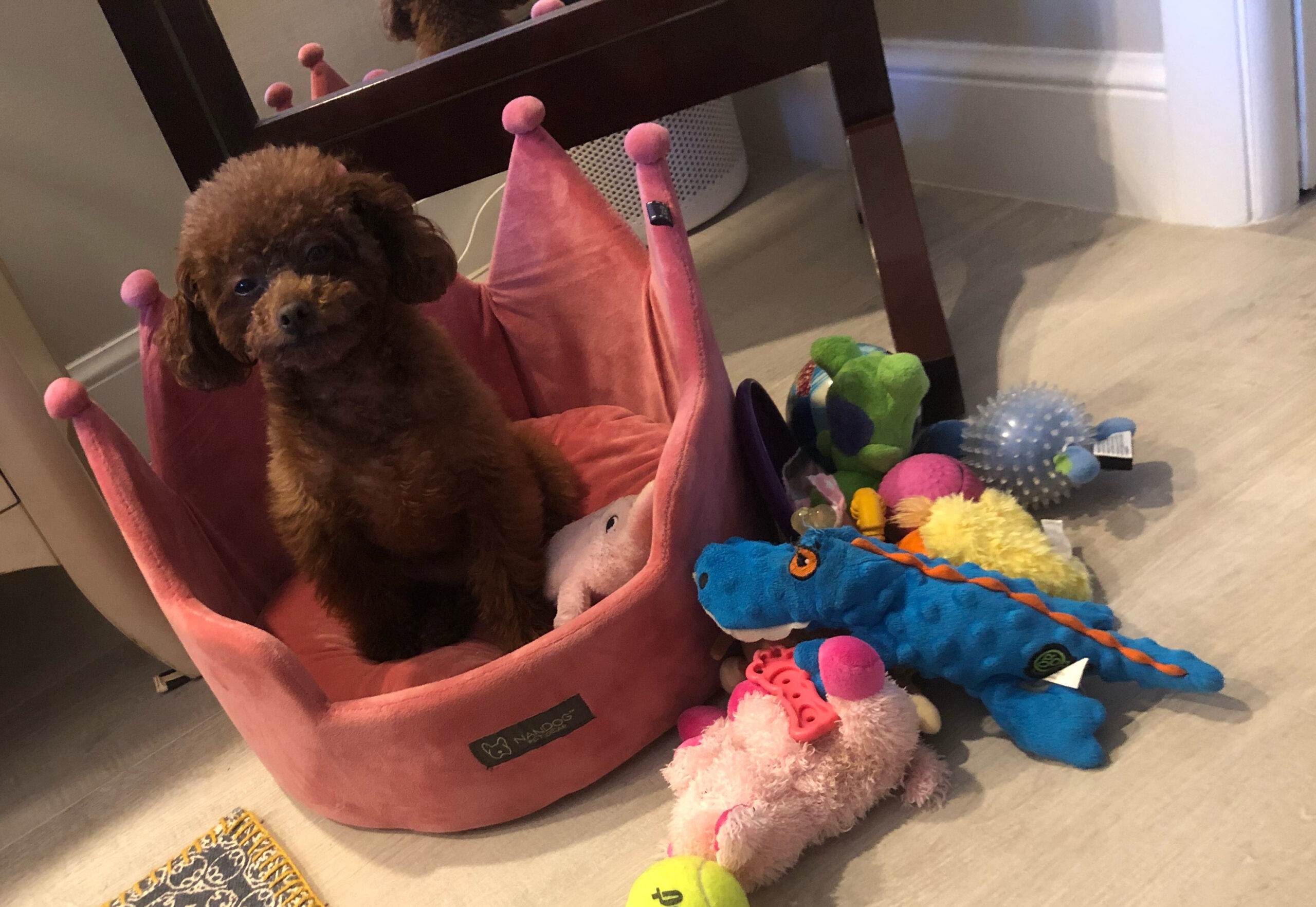
Plush toys can be soothing for puppies and gentle adults who like to carry, nuzzle, or mother their toys. Many small dogs love a soft toy with a simple shape, especially if it is easy to mouth and not overly stuffed. For dogs with a strong chewing style, plush works best as a supervised cuddle toy rather than a leave-behind chew.
Best for: puppies, anxious dogs, and calm companions who enjoy comfort more than rough play.
Squeaky and crinkle toys with big personality
Squeaky and crinkle textures often trigger a dog’s natural curiosity. A small squeaker can make a toy feel alive to a playful pup, while crinkle material adds an exciting sound without needing a heavy object. Check seams often, because squeakers, stuffing, and torn fabric can become hazards if the toy is damaged.
Best for: dogs that like noisy feedback, quick-chase games, and short supervised play sessions.
Fetch and tug toys sized for small mouths
Fetch and tug toys should be compact enough for a small dog to grip securely, yet large enough that they cannot be swallowed. Rope knots, mini rings, and soft toss toys work well when the dog can pick them up without jaw strain. For tug games, keep the pulling gentle and let the dog win occasionally to keep the fun going.
Best for: energetic dogs, light-to-moderate chewers, and pets that enjoy interactive games with a person.
Funny, unusual, and novelty toys
Novelty toys add a little humor to the toy basket, whether it is a tiny coffee cup, a miniature plush avocado, or a silly shape that makes people smile. The fun comes from the surprise and the photo-worthy look, but practicality still matters: the toy should be soft, safe, and sized for a small mouth. Avoid novelty items with glued-on parts that can pop off.
Best for: gift-giving, dogs who like soft toys, and owners who want a playful conversation starter.
Travel-friendly and indoor toys
Compact toys are ideal for hotel stays, road trips, and rainy-day zoomies in the living room. Look for lightweight balls, quiet chew toys, and small puzzles that pack flat or tuck into a tote. Indoor toys should be soft enough to protect furniture and feet, and quiet enough to keep the household happy.
Best for: apartment dogs, travel companions, and anyone who needs a low-mess activity for limited space.
Seasonal and gift-worthy ideas
Seasonal toys can make holidays feel special without requiring a big splurge. A winter-themed plush, a spring snuffle mat, or a summer water-friendly toy can refresh the routine and make gift baskets more fun. If a toy is themed, make sure the decoration is stitched on rather than attached with hard pieces.
Best for: birthdays, adoption anniversaries, holiday gifts, and dogs who enjoy a novelty reset in their routine.
Choosing by dog type
Puppies
Puppies often need soft, easy-to-carry toys and gentle texture variety. Look for plush, light squeakers, and beginner puzzles that reward curiosity without overwhelming them. Watch for teething wear and remove any toy that starts shedding pieces.
Senior dogs
Seniors may prefer lighter toys, softer materials, and simple treat puzzles that do not require intense effort. A plush comfort toy or an easy-to-roll treat ball can keep them engaged without asking for too much physical exertion.
Anxious dogs
Anxious dogs often do best with predictable, calming options like plush comfort toys, snuffle-style treat activities, or quiet indoor toys they can settle with. Keep the experience low-pressure and positive.
Energetic dogs
Energetic small dogs usually need quick fetch, tug, and interactive games to burn off steam. Short sessions repeated through the day often work better than one long marathon.
Heavy chewers
For strong chewers, choose toys that are still appropriately sized for a small dog but built for supervised durability. Even sturdy toys should be checked frequently for soft spots, cracks, or missing pieces.
Safety first, always
Small dog toys should be checked for choking hazards, loose parts, exposed stuffing, broken seams, damaged squeakers, and any material that could splinter or tear into strips. Avoid toys made with toxic materials or hard pieces that could injure teeth. If a toy changes shape, starts shedding fibers, or becomes small enough to fit fully in the mouth, retire it. Supervision matters most with puppies, power chewers, and any toy that contains sound makers, stuffing, or attached decorations.
Cleaning and storage tips
Wash washable toys regularly according to the label, and air-dry them fully so moisture does not linger inside seams. Wipe plastic or rubber toys with pet-safe soap and rinse well. Keep toys in a basket or bin by type so you can rotate them; that keeps interest high and makes it easier to spot damaged items during cleanups. A toy that is only brought out for play can feel brand new again after a short break.
Quick buying checklist
Before you add a toy to the cart, ask: Is it sized for a small mouth? Is the material appropriate for my dog’s chewing strength? Does it match my dog’s age and play style? Are there loose parts, stuffing, or seams that need close supervision? Is it easy to clean? If the answer is yes, the toy is more likely to become a favorite than a forgotten trinket.
Fun facts about small-dog play behavior
Many small dogs prefer repeated, fast games instead of long sessions, so a five-minute play burst can be more exciting than a giant toy pile. Some love carrying toys almost as much as chewing them, which is why soft, mouth-friendly shapes often get the most attention. Tiny dogs may also be surprisingly strategic with puzzle toys, using paws, noses, and careful bites to figure things out. A toy that matches that natural style usually earns more enthusiasm than one that looks impressive on the shelf.
In the end, the best toys for small dogs are the ones that fit their body, habits, and comfort level while staying safe under supervision. Choose with your individual dog in mind—size, chewing habits, age, health, and how closely you can watch the play session all matter when picking the next favorite toy.
Related Posts