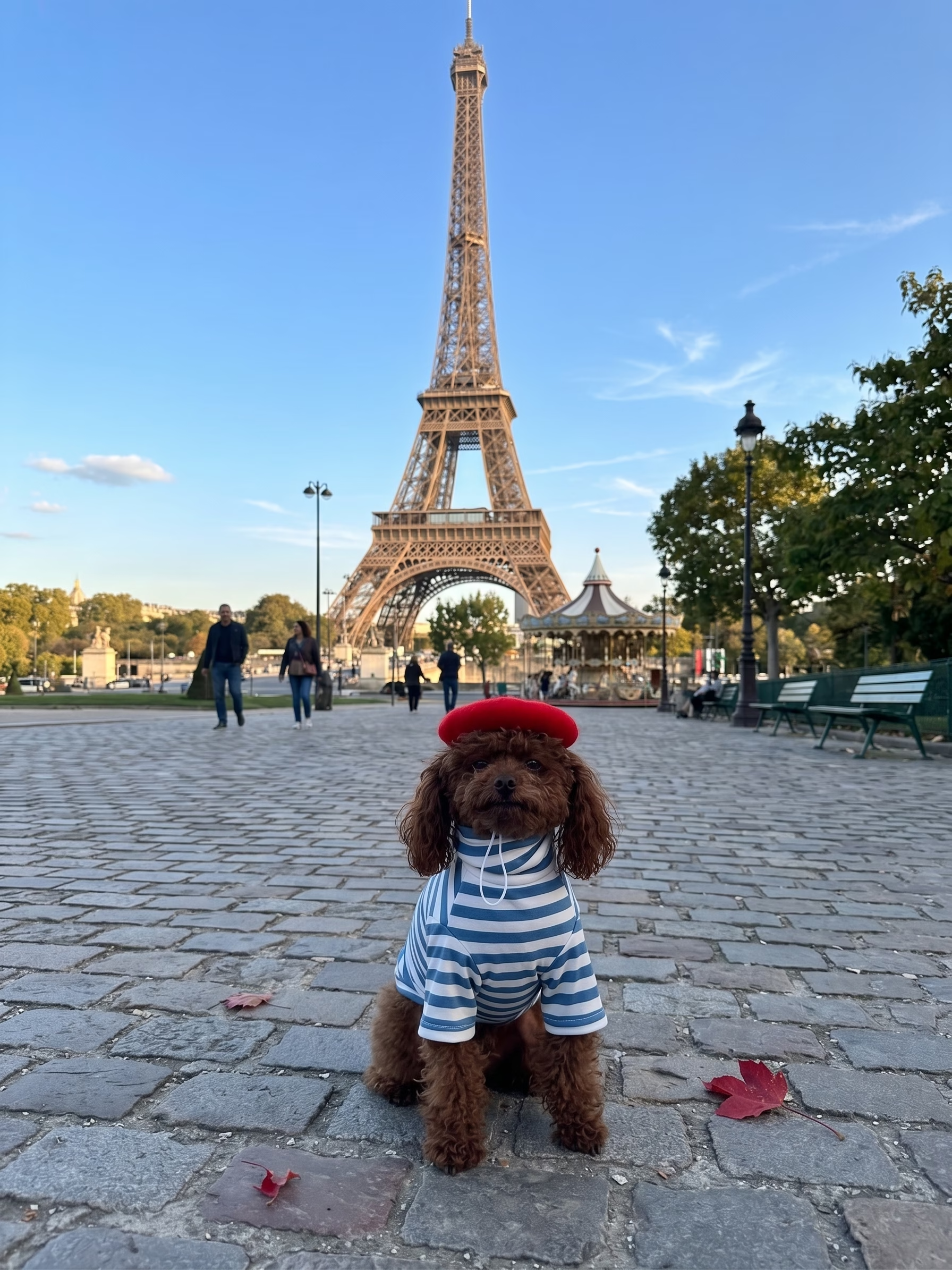
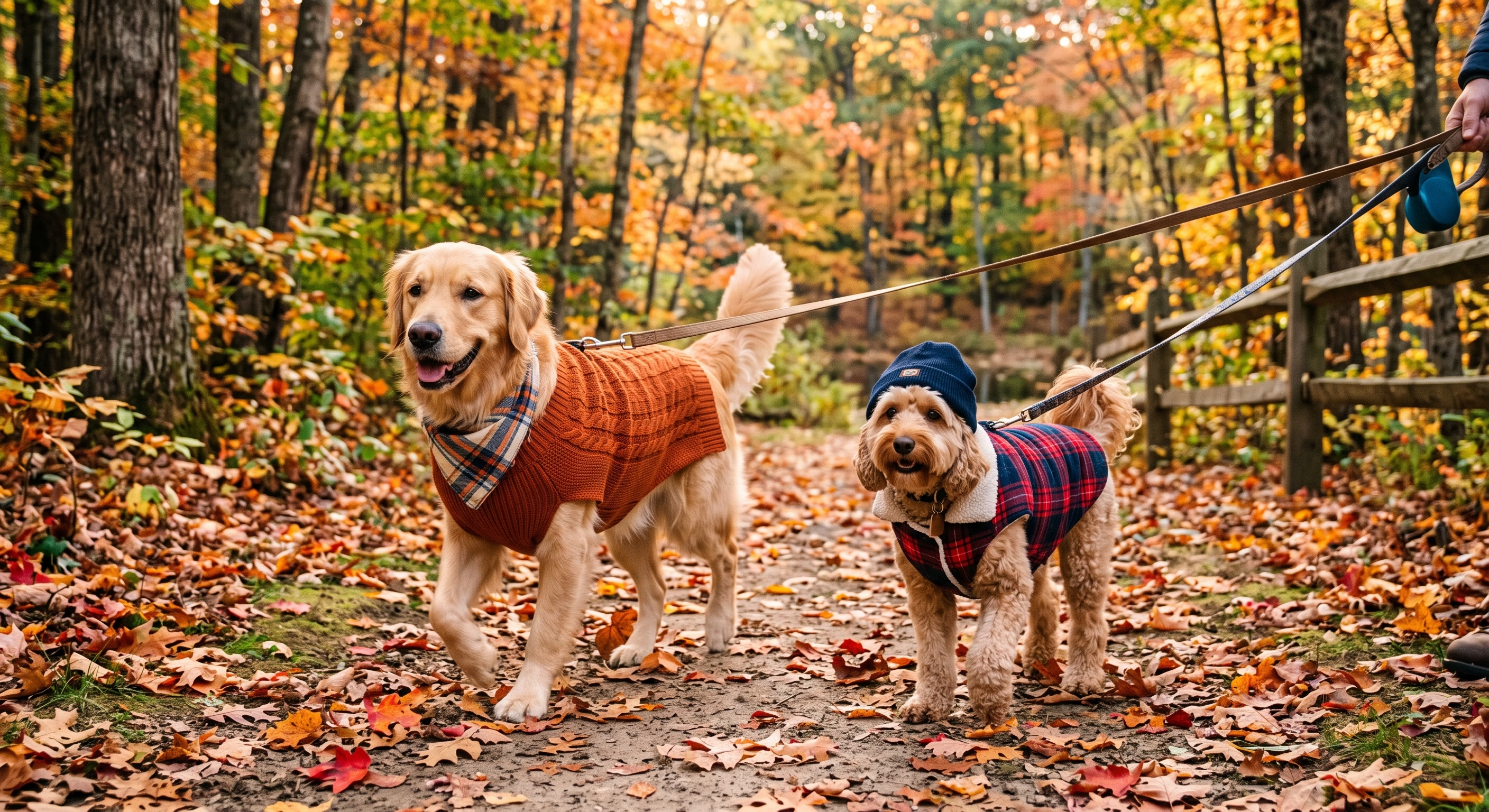

The Right Fall Clothing Depends on More Than the Temperature
Fall weather can change quickly. A sunny 65-degree afternoon may turn into a cold, windy evening, while a rainy morning in the Pacific Northwest can feel much colder than a dry day at the same temperature.
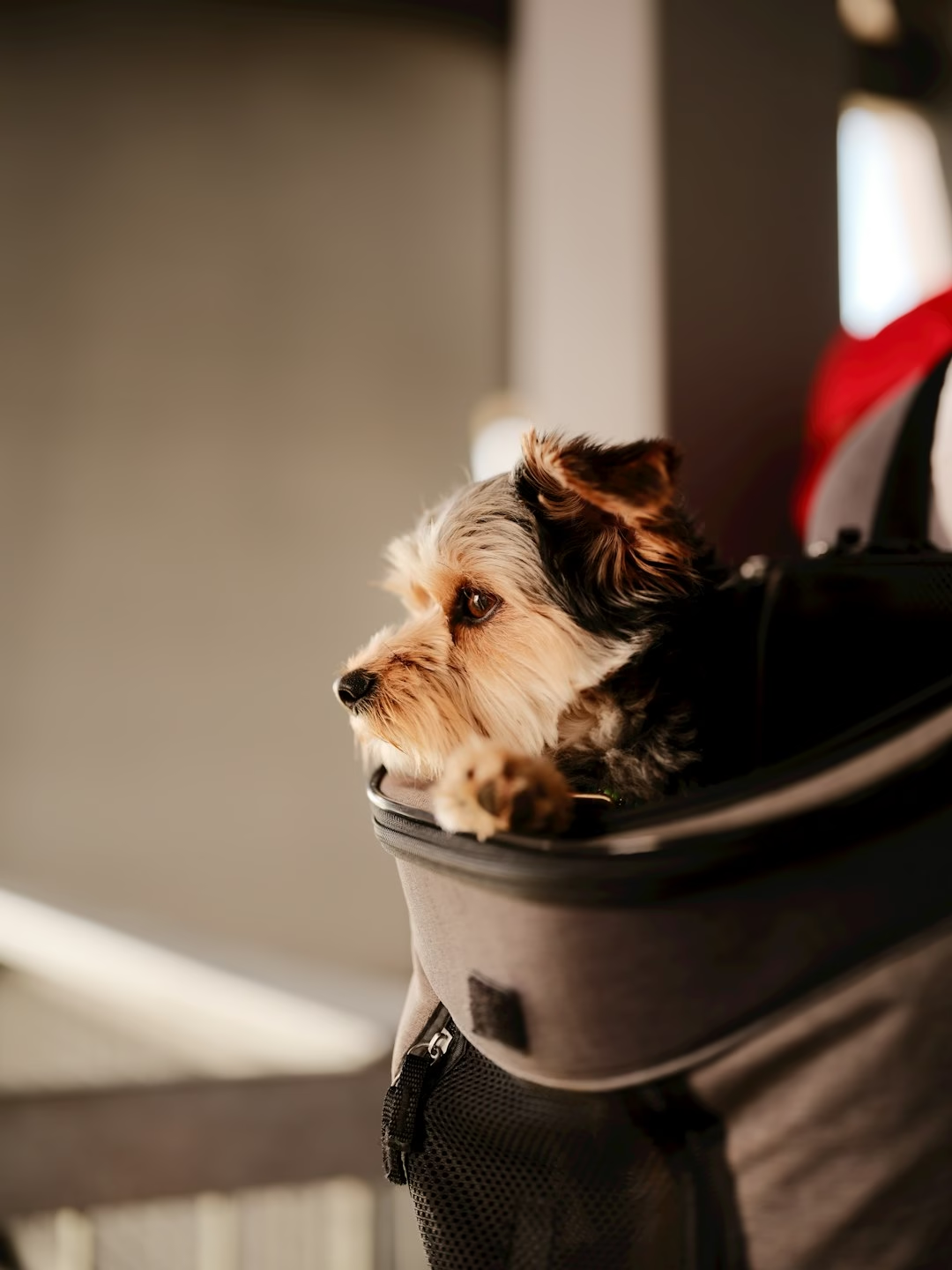
Small dogs often feel these changes sooner than larger dogs. Toy breeds have less body mass to retain heat, and dogs with short, thin, shaved, or recently clipped coats may lose insulation. Poodles are also worth special consideration: a short haircut can leave a Toy, Miniature, or Standard Poodle with less natural protection than a longer coat would provide.
Clothing is not automatically necessary for every dog, and there is no single temperature that is too cold for every dog. Age, body condition, coat type, health, wind, rain, activity level, and acclimation all matter. The American Kennel Club notes that small dogs and clipped-coated breeds may have more difficulty maintaining body heat, while VCA recommends properly fitted jackets for small dogs on cold, windy, rainy, or snowy days.
The goal is simple: keep your dog warm and dry without restricting movement or causing overheating.
The Best Materials for Small Dog Fall Clothing
Fleece: The Best Everyday Insulating Layer
Fleece is lightweight, warm, soft, and usually easy to wash. It works well for crisp, dry fall walks and as a middle layer under a waterproof shell.
Choose fleece clothing that:
- Fits close to the body without squeezing the chest
- Covers the back and chest without interfering with bathroom breaks
- Has smooth seams and a soft interior
- Allows free movement at the shoulders and legs
- Includes an opening for a harness or leash attachment
Fleece is not waterproof. If it becomes soaked, it can lose insulating value, so pair it with a rain shell during wet weather.
Merino Wool or Wool Blends: Warmth Without Heavy Bulk
Merino wool can provide excellent warmth while remaining relatively lightweight and breathable. A wool-blend sweater may work well for a small dog who needs more insulation but dislikes a bulky coat.
Wool is not the best choice for every dog. Some dogs find it itchy, and thick knit garments may snag on branches or become heavy when wet. Look for a soft, washable blend and monitor your dog’s skin after the first few wears.
Quilted Synthetic Insulation: For Colder, Windier Walks
Quilted polyester or synthetic-fill coats are useful when fall begins to feel more like winter. These garments often provide more warmth than a simple sweater while remaining lighter and easier to clean than a thick traditional jacket.
A good insulated coat should cover the chest and back, fasten securely, and leave enough room for your dog to walk, sit, turn, and relieve themselves normally.
Water-Resistant Nylon or Polyester Shells: For Rain and Wind
A rain shell is especially valuable in regions with wet autumn weather. Look for tightly woven nylon or polyester with a water-resistant finish, a hood or neck coverage that does not obstruct vision, and a secure closure that does not rub beneath the front legs.
For a small dog, the most practical fall system is often:
- A light fleece or knit layer for insulation
- A water-resistant shell for rain and wind
- A warmer insulated coat when temperatures drop further
Layering makes it easier to adjust throughout the day instead of relying on one heavy garment in every situation.
Breathable Mesh and Lightweight Technical Fabrics: For Warm, Humid Fall Weather
In the South and Gulf Coast, fall may include both cool mornings and warm afternoons. A heavy sweater can cause overheating, especially during activity.
For these areas, choose lightweight, breathable fabrics or a thin shirt that offers modest protection from wind, light rain, or air-conditioned indoor spaces. Avoid thick fleece when the weather is still warm.
Reflective Trim and High-Visibility Materials: For Shorter Days
Fall brings earlier sunsets and darker walks. Reflective piping, bright colors, or a reflective vest can help your dog remain more visible to drivers, cyclists, and other pedestrians.
Visibility is not a substitute for a leash, identification tag, or close supervision, but it is a sensible feature for autumn walks.
Four U.S. Weather Zones and What Small Dogs May Need
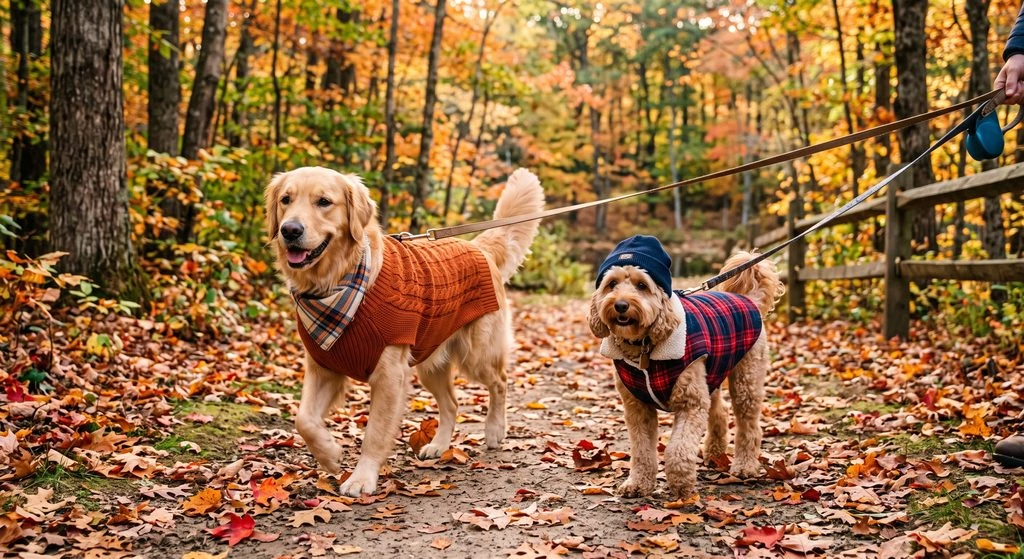
Zone 1: Northeast and New England
Typical fall pattern: Cool mornings, colorful foliage, wind, rain, and a quick transition toward freezing temperatures and snow.
In New England, a small dog may need more than one type of garment during the same season. Begin with a light fleece or soft sweater for cool mornings. Add a water-resistant shell for rain and wind. Later in the season, switch to a quilted coat with chest coverage when temperatures approach freezing.
For dogs walking on salted sidewalks, consider properly fitted booties or a veterinarian-approved paw protectant. Always wipe and dry paws after walks to remove salt, ice-melt residue, and moisture. The ASPCA recommends cleaning paws and checking between the toes after winter walks.
Best materials: fleece, soft wool blend, quilted synthetic insulation, waterproof nylon, reflective trim.
Best clothing system: fleece sweater plus a rain shell, followed by an insulated coat as temperatures fall.
Special caution: Wet fur, wind, and clipped coats can make a mild day feel much colder.
Zone 2: Midwest and Northern Plains
Typical fall pattern: Large temperature swings, strong wind, cold rain, early snow in some areas, and rapidly changing conditions.
The Midwest rewards a flexible approach. A small dog may be comfortable in a breathable sweater one day and need a windproof, insulated jacket the next. Look for garments with a secure belly or chest panel because wind can travel underneath a loose sweater.
Booties may help protect paws from early snow, ice, salt, and de-icing products, but they should be introduced gradually indoors. Start with one boot for a few seconds, reward your dog, and slowly build up the wearing time.
Best materials: fleece, wind-resistant nylon, quilted synthetic fill, waterproof shell fabric, soft paw-safe boot lining.
Best clothing system: a close-fitting fleece base layer and a windproof or water-resistant outer coat.
Special caution: Do not judge comfort only by the air temperature. Wind chill, wet ground, and sudden exposure after a warm indoor day can make dogs uncomfortable quickly.
Zone 3: Mountain West and High Desert
Typical fall pattern: Bright sun, dry air, cold mornings and nights, elevation changes, and sudden snow or wind.
High-desert and mountain communities can feel warm in the sun and cold in the shade. A lightweight fleece is useful for early-morning walks, while a compact insulated jacket can be packed for elevation changes or evening outings.
Because the air is often dry, check your dog’s paws for cracking and irritation. If your dog is hiking, pack water, a towel, and a coat even if the afternoon forecast looks mild. Weather can change quickly at elevation.
Best materials: breathable fleece, wool blend, lightweight synthetic insulation, wind-resistant shell fabric, reflective trim.
Best clothing system: a packable fleece or insulated vest that can be added or removed as the elevation and sunlight change.
Special caution: Avoid overheating in direct sun. Clothing should be removed during active exercise if your dog begins panting excessively.
Zone 4: South, Gulf Coast, and Florida
Typical fall pattern: Warm or humid afternoons, cooler evenings, rain, tropical weather, and occasional cold fronts.
In the South, a small dog may need a light layer rather than a heavy sweater. Choose breathable fabrics for the beginning of fall and reserve fleece or insulation for colder mornings, nighttime walks, or unusually strong cold fronts.
A lightweight rain jacket can be more useful than a thick coat. It helps keep a small dog dry during sudden showers while reducing the chill that can follow a wet walk. Make sure the garment does not trap heat or remain on your dog indoors.
Best materials: breathable mesh, lightweight polyester, thin fleece, water-resistant nylon, soft stretch fabric.
Best clothing system: a lightweight rain shell or thin sweater, with a packable fleece for occasional cold snaps.
Special caution: Fall clothing can still cause overheating in warm, humid weather. Watch for heavy panting, drooling, weakness, confusion, or reluctance to move, and seek veterinary advice if symptoms are concerning.
How to Choose the Correct Fit
The most insulating coat is not useful if it restricts movement or slips off. Measure your dog before shopping and follow the manufacturer’s size chart rather than relying on labels such as “small” or “extra-small.”
Check the following:
- Neck opening: snug but not tight
- Chest: enough room for normal breathing and movement
- Back length: coverage from the neck toward the base of the tail without blocking elimination
- Leg openings: no rubbing or pinching
- Harness access: the leash can attach safely without pulling against the garment
- Movement: your dog can walk, sit, turn, and lie down normally
The AKC recommends checking measurements because the same size can fit differently between brands. A loose garment can snag or cause a dog to trip, while a tight one can restrict movement and create skin irritation.
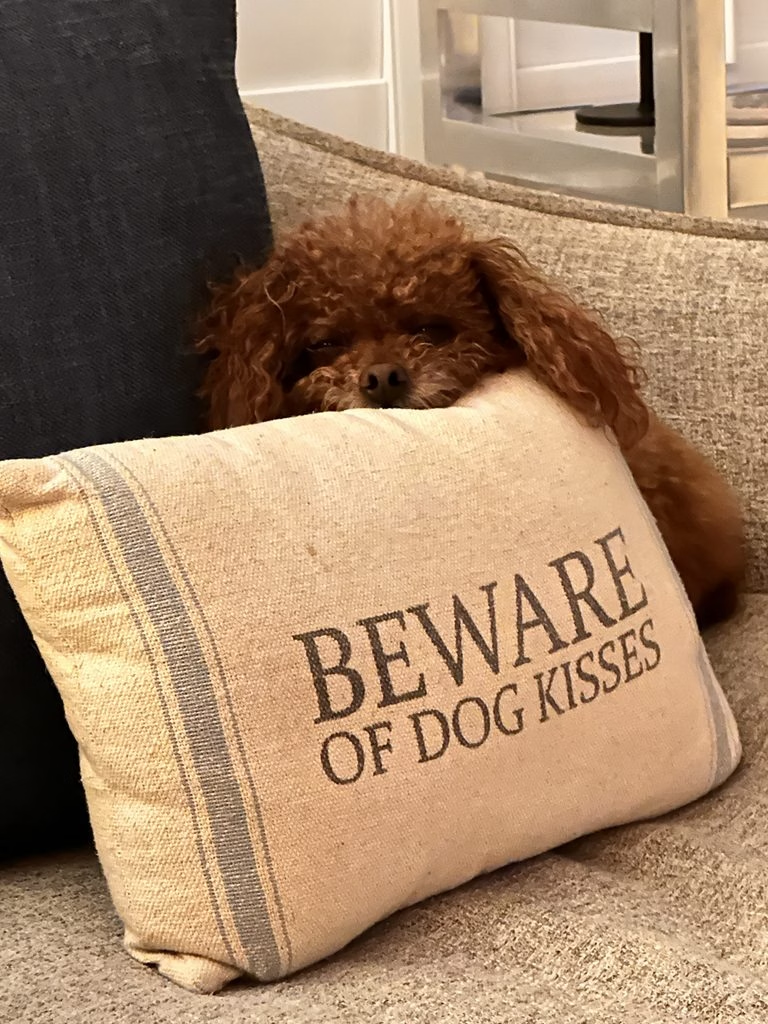
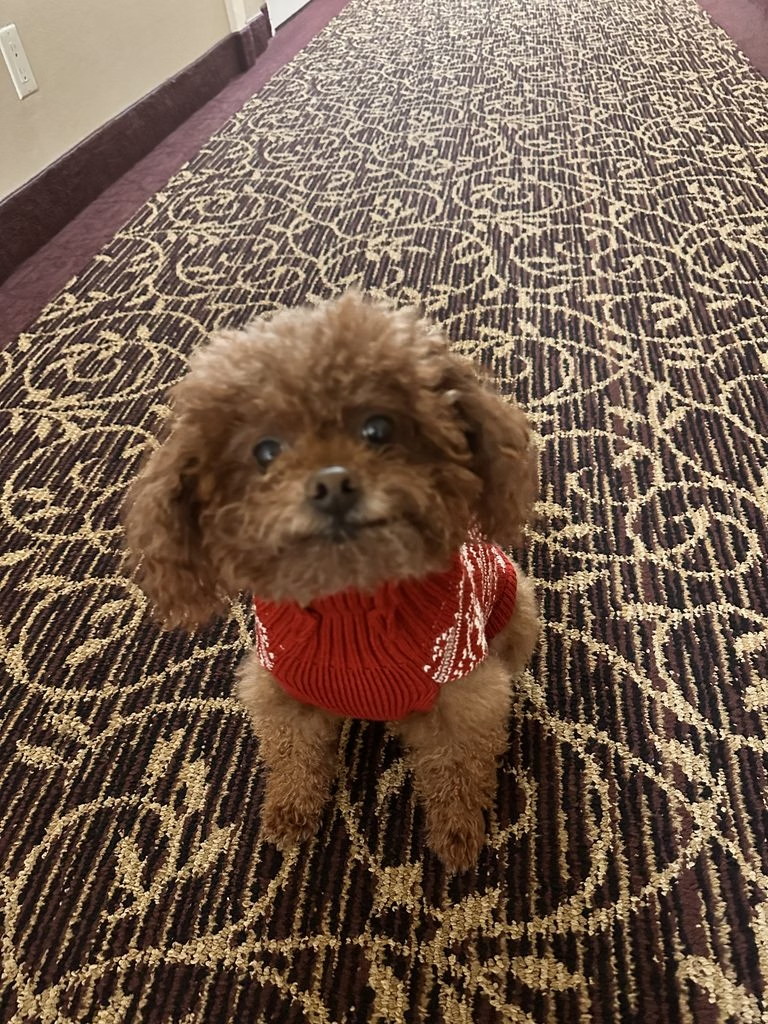
Pumpkin in a knit layer. Photo from the PetHomeGoods Google Drive image library.
Help Your Dog Learn to Wear Clothing
Introduce clothing indoors when your dog is relaxed. Let your dog sniff the garment, reward calm behavior, and place it on for only a few seconds at first. Gradually increase the time and observe body language.
Signs your dog may be uncomfortable include freezing, repeated scratching, trying to escape, tucked posture, excessive panting, reluctance to walk, or chewing at the fabric. Remove the garment and try a different size, material, or design. Never force a dog to wear clothing or leave a sweater, coat, or boots on an unattended dog.
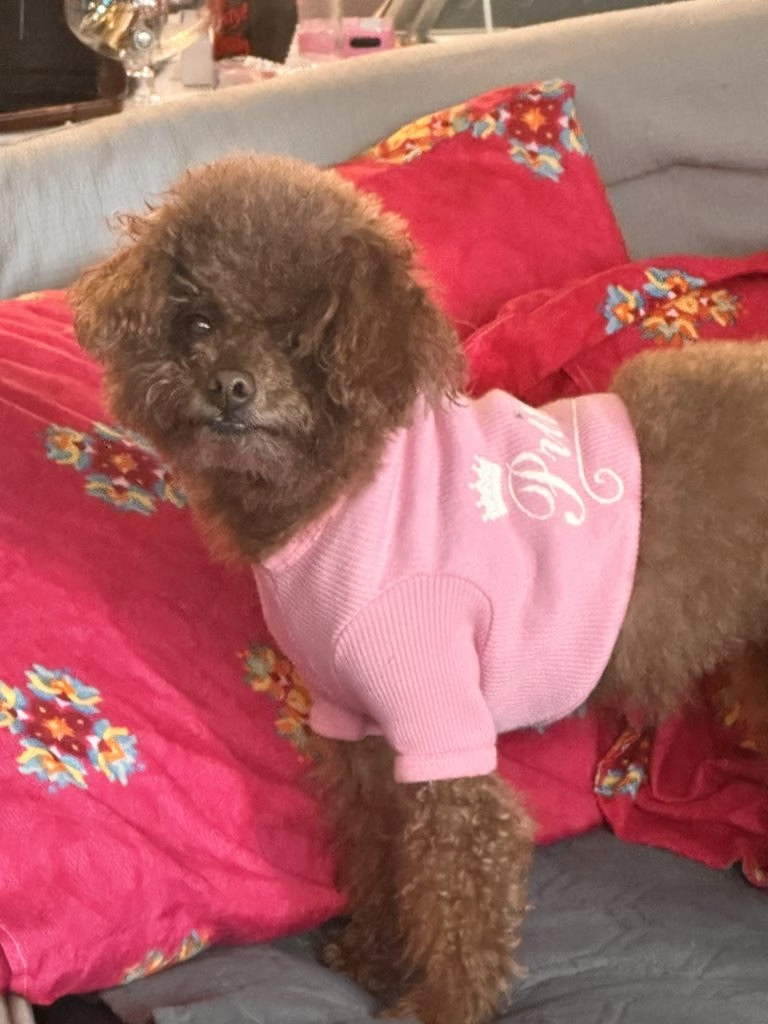
A warm, dry resting place is just as important as outdoor clothing. Photo from the PetHomeGoods Google Drive image library.
Signs Your Dog Is Too Cold or Too Warm
Take your dog indoors if you notice shivering, lifting paws, whining, reluctance to continue, stiffness, weakness, confusion, or unusual sluggishness. Small dogs, senior dogs, puppies, and dogs with short or clipped coats may become cold more quickly.
Remove clothing and move your dog to a cooler area if you notice heavy panting, drooling, agitation, weakness, or difficulty breathing. Clothing should never be used to extend outdoor time beyond what your dog can safely tolerate.
If your dog appears weak, disoriented, painful, or difficult to warm or cool, contact a veterinarian promptly. Do not use direct heat such as a heating pad or hair dryer on a potentially frostbitten area, and never rub frostbitten skin.
Fall Clothing Care and Safety
- Wash sweaters and coats regularly according to the care label.
- Dry clothing completely before putting it back on your dog.
- Inspect seams, zippers, buttons, and fasteners before every walk.
- Remove wet clothing as soon as you return home.
- Keep clothing away from fireplaces, heaters, and open flames.
- Check the skin under the garment for redness, dampness, or mats.
- Wash paws and belly after walks where salt or de-icing products may be present.
- Never leave a dressed dog unattended or confined without supervision.
Web Image Recommendation for the Published Article
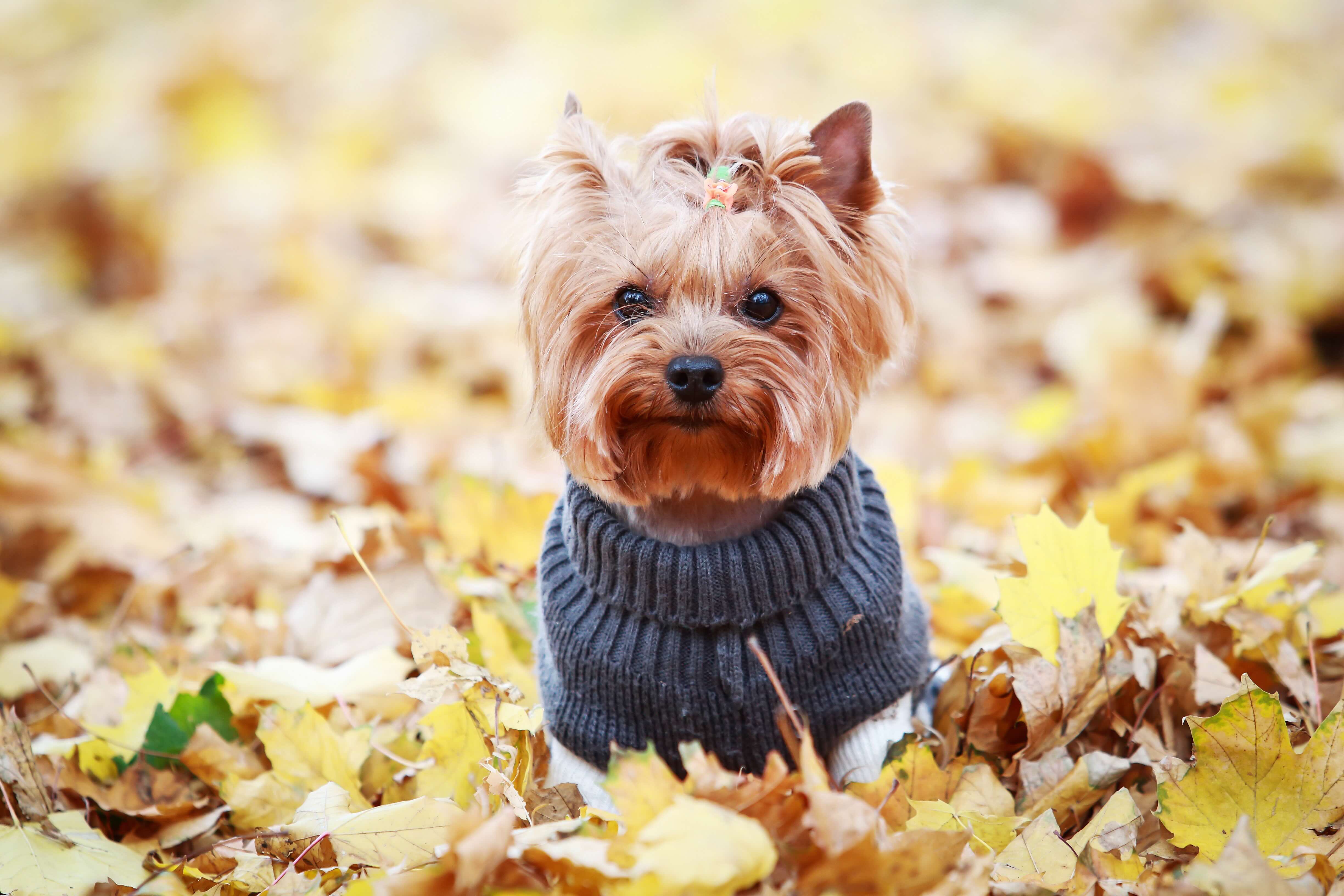
Suggested web image placement: after the introduction or in the Northeast section. Image source: PetMD. Confirm permission, license, and required attribution before publishing this image on PetHomeGoods.com.
Final Takeaway
For most small dogs, the best fall wardrobe is a flexible one: a soft fleece or wool-blend sweater for cool, dry days, a breathable rain shell for wet weather, and a lightweight insulated coat for colder or windier conditions. In warm regions, choose lighter, breathable materials and watch carefully for overheating.
The most important features are fit, comfort, weather protection, and supervision. Clothing should support your dog’s health and enjoyment—not replace good judgment, shorter walks, fresh water, paw care, or a warm indoor space.
This article provides general educational information and is not a substitute for an examination or individualized advice from your veterinarian. Dogs with heart disease, respiratory disease, arthritis, endocrine conditions, very low body weight, or other health concerns may need a customized cold-weather plan.
Editorial sources
- American Kennel Club: Does Your Dog Need a Sweater?
- American Kennel Club: Does My Dog Need a Winter Coat?
- VCA Animal Hospitals: What to Consider When Choosing a Dog Jacket
- ASPCA: Cold Weather Safety Tips
- VCA Animal Hospitals: Dog Winter Safety Tips
Related Posts