
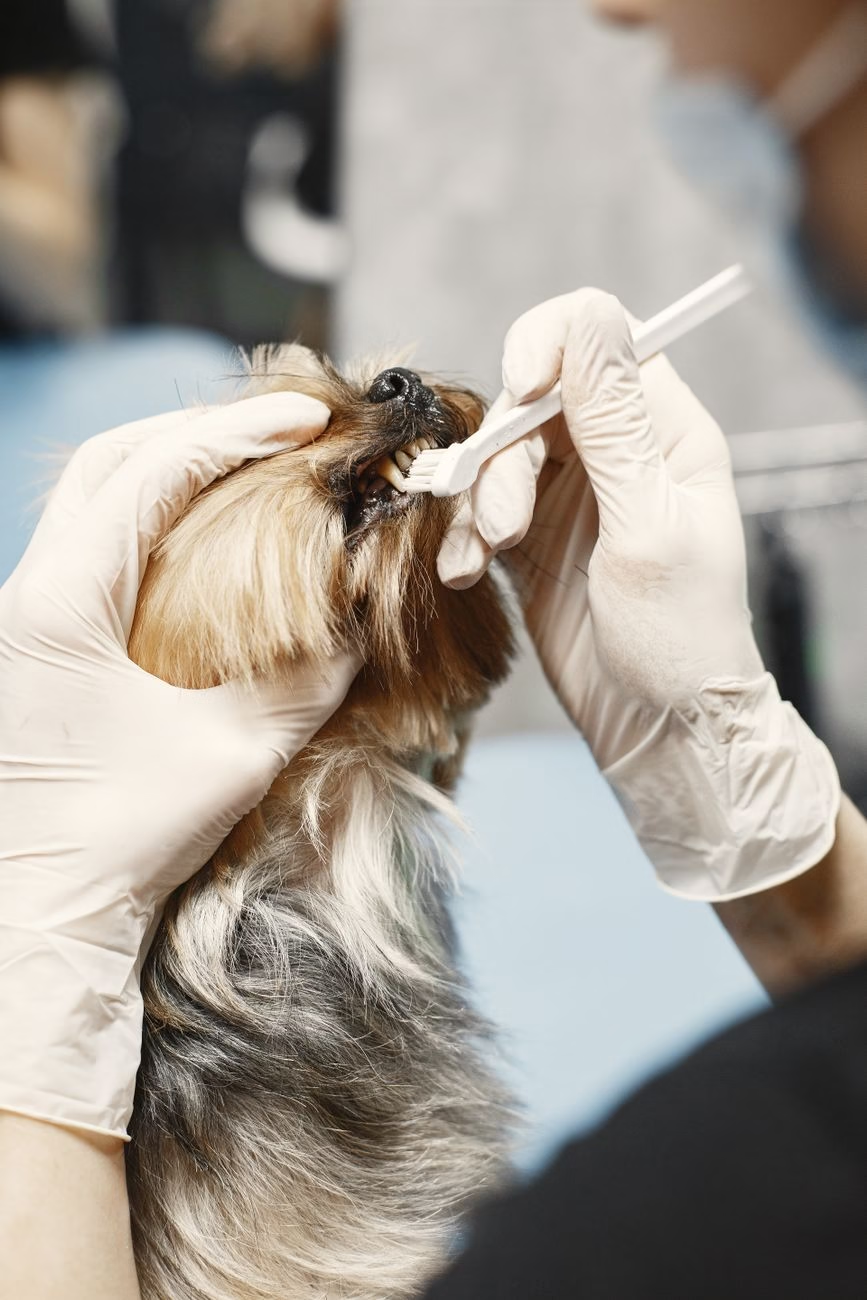

Bad breath in dogs is usually a sign of dental trouble, but it can also point to diet, stomach upset, or a medical condition that needs attention. If your dog’s breath has turned sour, fishy, or rotten, start with the mouth: look for plaque, gum redness, broken teeth, or something stuck between the teeth. Brush regularly, use dog-safe dental products, and contact your veterinarian if the odor is sudden, severe, or paired with drooling, bleeding gums, or trouble eating.
What usually causes dog bad breath?
The most common reason for dog bad breath is dental disease. When plaque builds on the teeth and hardens into tartar, bacteria settle in along the gumline and create a strong odor. Over time, that buildup can inflame the gums, damage tooth support, and make eating uncomfortable even before a dog shows obvious pain.
Dental plaque and gum disease
In many dogs, bad breath is the first clue that plaque and tartar are winning the battle. A tiny bit of film may not seem serious, but bacteria in that film release smelly compounds. If the gums look red, puffy, or bleed during chewing, the odor may be coming from periodontal disease rather than simple food residue.
Food, debris, and dry mouth
Sometimes the answer is less dramatic. Bits of food can cling to the teeth, especially in dogs who inhale meals or chew soft food that sticks in the mouth. Dehydration and dry mouth can make the smell more noticeable because saliva normally helps rinse the mouth and control bacteria.
Medical causes beyond the mouth
Bad breath is not always a dental problem. Digestive upset, infected wounds, diabetes, and kidney disease can all create unusual odors. A sudden change in breath, especially if it comes with vomiting, increased thirst, weight loss, or lethargy, deserves a veterinary exam rather than a guess at home.
When bad breath is a red flag
Routine dog breath should not smell pleasant, but it should not smell rotten, metallic, or sharply foul either. A bad odor becomes more concerning when it appears quickly or when your dog acts differently. Breath that is paired with mouth pain is especially important to take seriously because dogs are experts at hiding discomfort.
- Bleeding gums or visible swelling
- Drooling more than usual
- Pawing at the mouth
- Chewing on one side
- Reluctance to eat hard food or toys
- Loose, broken, or missing teeth
- Vomiting, poor appetite, or sudden lethargy
What you can do at home
The best long-term fix for dog bad breath is a consistent dental routine. The goal is not just fresher breath for a day or two. It is to remove plaque before it hardens, support healthy gums, and catch trouble early while it is still manageable.
Brush your dog’s teeth
Daily brushing is the gold standard, but even a few times a week can help. Use a soft dog toothbrush or finger brush and toothpaste made for pets. Human toothpaste can contain ingredients that should not be swallowed by dogs, so it is best left out of the routine entirely.
Add supportive dental products
Dental chews, oral wipes, and water additives can be useful helpers, especially for dogs who are still learning to accept tooth brushing. Look for products with the Veterinary Oral Health Council seal when possible, since that indicates the product has met standards for helping control plaque or tartar. Treat these as support tools, not replacements for brushing.
What to avoid
Some products promise to erase odor fast, but they only mask the smell without fixing the cause. Others can be risky. Very hard chews such as antlers, bones, and extremely tough nylon items can crack teeth. That kind of damage may be painful and expensive long before it becomes obvious to the eye.
- Human toothpaste
- Harsh mouth sprays that only cover odor
- Extremely hard chews that can fracture teeth
- Ignoring persistent odor because the dog is still eating
When to call the vet
If your dog’s breath has changed suddenly, or if home care is not making any difference, schedule a veterinary visit. A vet can check for dental disease, broken teeth, mouth injuries, and signs of illness that would be easy to miss at home. In some cases, professional dental cleaning under anesthesia is the only safe way to remove tartar below the gumline and fully evaluate the mouth.
Frequently asked questions
Can dog bad breath be normal?
It can be mildly noticeable, but it should not be strong, rotten, or suddenly worse than usual. Persistent odor is often a sign that the mouth needs attention.
Why does my dog’s breath smell like fish?
Fishy breath can happen for several reasons, including dental disease, something stuck in the mouth, or a recent fish-based meal. If the smell is strong or persistent, have your vet check it.
Do dental chews really work?
Yes, they can help reduce plaque when used correctly, especially if they carry the VOHC seal. They work best as part of a complete dental routine, not as the only solution.
How often should I brush my dog’s teeth?
Daily brushing is ideal. If that is not realistic right away, start a few times a week and build the habit slowly so your dog stays comfortable with it.
Is bad breath in puppies normal?
Light puppy breath is common, but strong odor is not something to ignore. Teething, retained baby teeth, or mouth irritation can all create odor that is worth mentioning to a vet.
Can wet food cause bad breath?
Wet food does not automatically cause bad breath, but it can cling to the teeth more easily than dry kibble. Good dental care matters regardless of diet.
Related articles to explore
These topics fit naturally with dog oral health and can help build a stronger content cluster for PetHomeGoods.com:
- How to Brush a Dog’s Teeth Without the Struggle
- Best Dog Dental Chews: What to Look For
- Signs of Dental Disease in Dogs
- Are Dental Water Additives Safe for Dogs?
- What Human Foods Are Bad for Dogs’ Teeth?
A fresher mouth is more than a nicer smell. It can be the first sign that your dog feels better, eats more comfortably, and is less likely to face painful dental problems later. A small daily habit now can protect that bright, eager grin for years.
Sources
- American Veterinary Medical Association (AVMA) — pet dental care guidance
- American Animal Hospital Association (AAHA) — dental care guidelines for dogs and cats
- Veterinary Oral Health Council (VOHC) — accepted dental products
- Merck Veterinary Manual — oral disease and halitosis in dogs
- ASPCA Animal Poison Control — safety information on human toothpaste ingredients

Related Posts