
Hello from Pumpkin
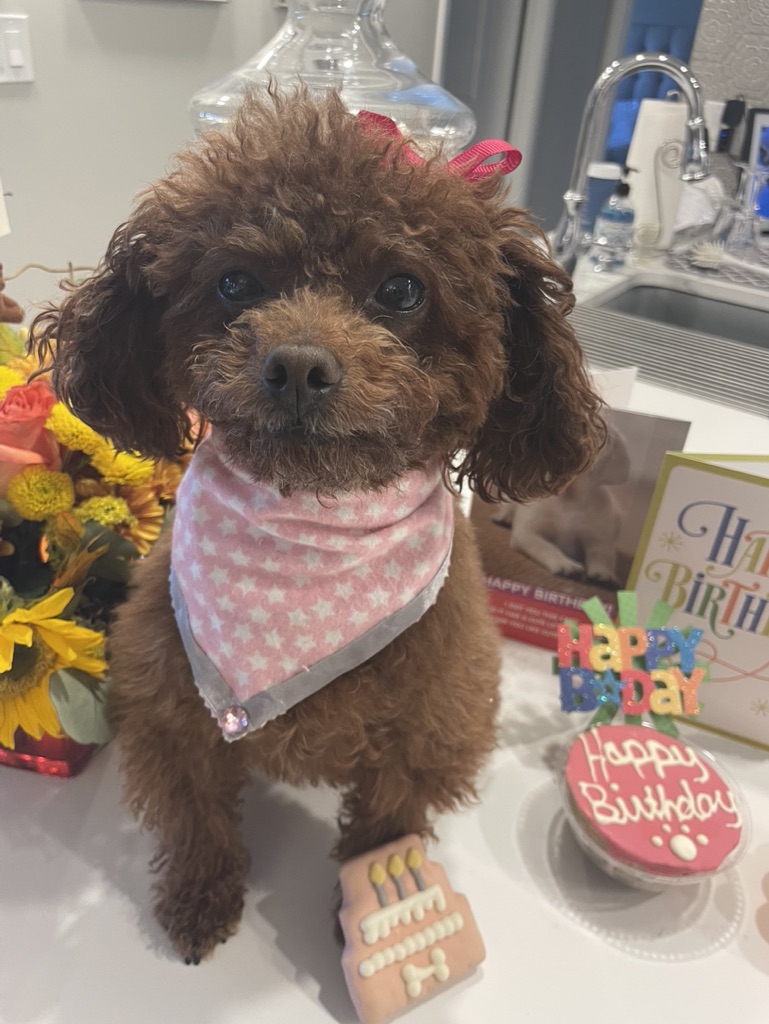
Hi, friends! I’m Pumpkin, an eight-year-old Toy Poodle, and I know a thing or two about snacks. If you have ever looked at your dog and wondered, “Are they a little fluffy, or are they carrying extra weight?” you are not alone.
Weight can creep up slowly. A few extra treats here, a little table food there, and suddenly a dog who used to leap onto the sofa is taking the scenic route. Because I’m a small dog, even a small amount of extra weight can matter. It may affect my joints, breathing, energy, and comfort.
The good news is that weight management does not have to mean sadness, starvation, or giving up all the fun. With a veterinarian’s guidance, sensible portions, healthy rewards, and gentle activity, many dogs can reach a healthier weight safely.
How Can You Tell If a Dog Is Overweight?
The number on a scale is useful, but it does not tell the whole story. Dogs of the same breed can have different healthy weights depending on their frame, muscle, age, and activity level. Veterinarians often use a body condition score, or BCS, to evaluate body fat and shape.
Most body-condition charts use a scale from 1 to 9. A score of 4 or 5 is generally considered ideal for many dogs, although your veterinarian should interpret the score for your individual dog.
Here is what my humans look for when checking me:
- Ribs: They should be easy to feel beneath a thin layer of fat. If they are difficult to feel, there may be too much padding.
- Waist: When viewed from above, the body should become narrower behind the ribs. A missing or barely visible waist can be a sign of excess weight.
- Abdominal tuck: When viewed from the side, the belly should tuck upward toward the back legs rather than hanging straight down or bulging outward.
- Tail base and spine: These areas should have a light covering of fat, not thick, soft deposits.
- Movement: Reluctance to walk, tiring quickly, panting more than usual, or difficulty jumping may also deserve attention.
The WSAVA body-condition chart shows examples of underweight, ideal, and overweight body shapes. Fur can make visual checks difficult, so feeling gently along the ribs is important—especially for a fluffy dog like me.
Why Maintaining a Healthy Weight Matters
Extra weight is not just a cosmetic concern. It can put additional stress on a dog’s joints and may increase the risk of mobility problems, breathing difficulties, diabetes, and other health concerns. For an older dog, staying lean can make everyday activities more comfortable.
At eight years old, I still enjoy walks, games, and exploring the yard. Keeping my weight in a healthy range helps me keep doing the things I love.
Start With Portion Control
If your dog needs to lose weight, do not simply guess at a smaller serving or make a sudden, extreme change. Start by measuring every meal. An actual measuring cup—or, even better, a kitchen scale recommended by your veterinarian—can be much more accurate than scooping food by eye.
The feeding guide on a dog-food package is a starting point, not a personalized prescription. The right amount depends on factors such as your dog’s ideal weight, age, activity level, health, and whether they have been spayed or neutered.
Helpful portion-control habits include:
- Measure the entire day’s food before serving it.
- Divide the daily amount into scheduled meals.
- Count treats, chews, toppers, and food used to give medication.
- Avoid leaving food available all day unless your veterinarian recommends free feeding.
- Make changes gradually unless your veterinarian gives different instructions.
If your dog is overweight, a veterinarian may recommend a therapeutic weight-management food. These diets are formulated to provide appropriate nutrients with controlled calories. Never put a dog on a crash diet or sharply reduce food without professional guidance.
Treats Should Be Small but Special
I believe treats are one of life’s great joys. But treats still count as calories. Veterinary guidance commonly recommends that treats and other non-complete foods make up no more than about 10% of a dog’s daily calories.
For a small dog, that allowance can disappear quickly. A large biscuit or a spoonful of peanut butter may be much more food than it looks like to me.
Try these strategies instead:
- Break one treat into several tiny pieces.
- Use a few pieces of my regular kibble during training.
- Choose low-calorie treats recommended by your veterinarian.
- Offer praise, petting, play, or a favorite toy as rewards.
- Keep a daily treat jar so everyone in the family knows how much has already been given.
- Skip table scraps, especially fatty or heavily seasoned foods.
Healthy foods such as small pieces of carrot, green bean, cucumber, or apple without seeds may work for some dogs, but every dog is different. Introduce new foods slowly and ask your veterinarian first if your dog has allergies, diabetes, pancreatitis, or another medical condition.
Exercise Safely and Gradually
Exercise helps dogs burn calories, maintain muscle, and stay mentally happy. But a dog who is overweight may not be ready for long runs, steep hikes, or lots of jumping.
I prefer a gradual plan. Start with short, comfortable walks and increase the time slowly if I am moving easily and recovering well. Indoor games, gentle sniffing walks, food puzzles, and short training sessions can add activity without putting too much pressure on joints.
Watch for signs that your dog needs a break:
- Excessive or prolonged panting
- Limping or stiffness
- Lagging behind or refusing to continue
- Trouble standing or climbing
- Coughing, weakness, or unusual fatigue
Toy Poodles can be enthusiastic, but enthusiasm is not the same as fitness. Have your veterinarian approve the exercise plan, especially for a senior dog or a dog with arthritis, heart disease, breathing problems, or a history of injury. The VCA weight-loss guide notes that safe weight loss is gradual and often takes months.
When Should You Consult a Veterinarian?
Please schedule a veterinary appointment if you are unsure whether your dog is overweight, if weight is changing unexpectedly, or if your dog has difficulty exercising. A veterinarian can assess body condition, muscle condition, diet, and possible medical causes of weight gain.
You should also seek advice before starting a weight-loss program for:
- Puppies and growing dogs
- Senior dogs
- Pregnant or nursing dogs
- Dogs with diabetes, thyroid problems, arthritis, heart disease, or digestive disease
- Dogs taking regular medication
- Dogs who are losing weight without a change in food or activity
Your veterinarian can calculate a safe calorie target, recommend an appropriate food, set a goal weight, and schedule weigh-ins. A healthy rate of weight loss is intentionally slow. Rapid weight loss can be dangerous, so patience is part of the treatment.
My Final Thoughts as Pumpkin
If your dog is carrying extra weight, please do not feel guilty—and please do not call them names like “fat.” We are still the same lovable dogs who want walks, cuddles, games, and family time.
Think of a weight plan as a way to give your dog more comfortable years together. Measure meals, count treats, make movement enjoyable, and check in with your veterinarian. A few small changes can make a big difference to a dog’s health and happiness.
Now, if you will excuse me, I have a very important appointment with my favorite toy.
This article is for general educational purposes only and does not replace advice from a licensed veterinarian. For personalized feeding, exercise, or weight-loss recommendations, consult your dog’s veterinary care team.
Editorial sources
- American Animal Hospital Association: How to Tell If Your Pet Is Overweight
- American Animal Hospital Association: 5 Ways to Know How Much to Feed Your Pet
- World Small Animal Veterinary Association: Body Condition Score—Dog
- VCA Animal Hospitals: Tips for Successful Weight Loss in Dogs and Cats
Related Posts