

Small and toy-size dogs bring a lot of personality into a little body. Whether you are raising a tiny puppy or caring for a senior lap dog, the best health routine is built on consistency, prevention, and a close relationship with your veterinarian. Their size can make them especially lovable, but it also means they may be more sensitive to dental problems, weight changes, temperature swings, and injuries from falls.
Disclaimer: This article is for general education only. Individual dietary needs vary by breed, age, weight, health condition, and medications. Always consult your veterinarian before changing your dog’s diet, starting supplements, or treating a health problem.
Why Regular Vet Checkups Matter
Routine wellness visits help veterinarians spot small changes before they become bigger problems. For small and toy-breed dogs, that matters because issues like dental disease, joint concerns, and weight gain can affect quality of life quickly. A wellness exam is also a chance to update vaccines, review parasite prevention, and talk through feeding, grooming, and behavior questions.
Even if your dog seems healthy, regular checkups create a baseline. That makes it easier for your vet to notice subtle changes in weight, heart sounds, mobility, or bloodwork over time.
How Often Should Small Dogs Visit the Vet?
Puppies
Puppies usually need several veterinary visits during their first months of life for vaccinations, parasite protection, growth monitoring, and nutrition guidance. Very small puppies may also need extra attention if they are not eating well or seem weak, since hypoglycemia can develop quickly in tiny dogs.
Healthy Adult Dogs
Most healthy adult dogs should have a wellness exam at least once a year. Some small breeds may benefit from visits every six months, especially if they have a history of dental disease, tracheal sensitivity, or weight concerns.
Senior Dogs
Senior dogs often do best with checkups every six months. More frequent visits can help monitor arthritis, heart health, vision changes, dental comfort, and lab results that may shift with age.
What Happens During a Wellness Exam?
A good wellness exam is more than a quick look. Veterinarians typically check the whole dog from nose to tail and may recommend screening based on age and risk.
- Weight and body condition: Helps identify obesity or unexpected weight loss.
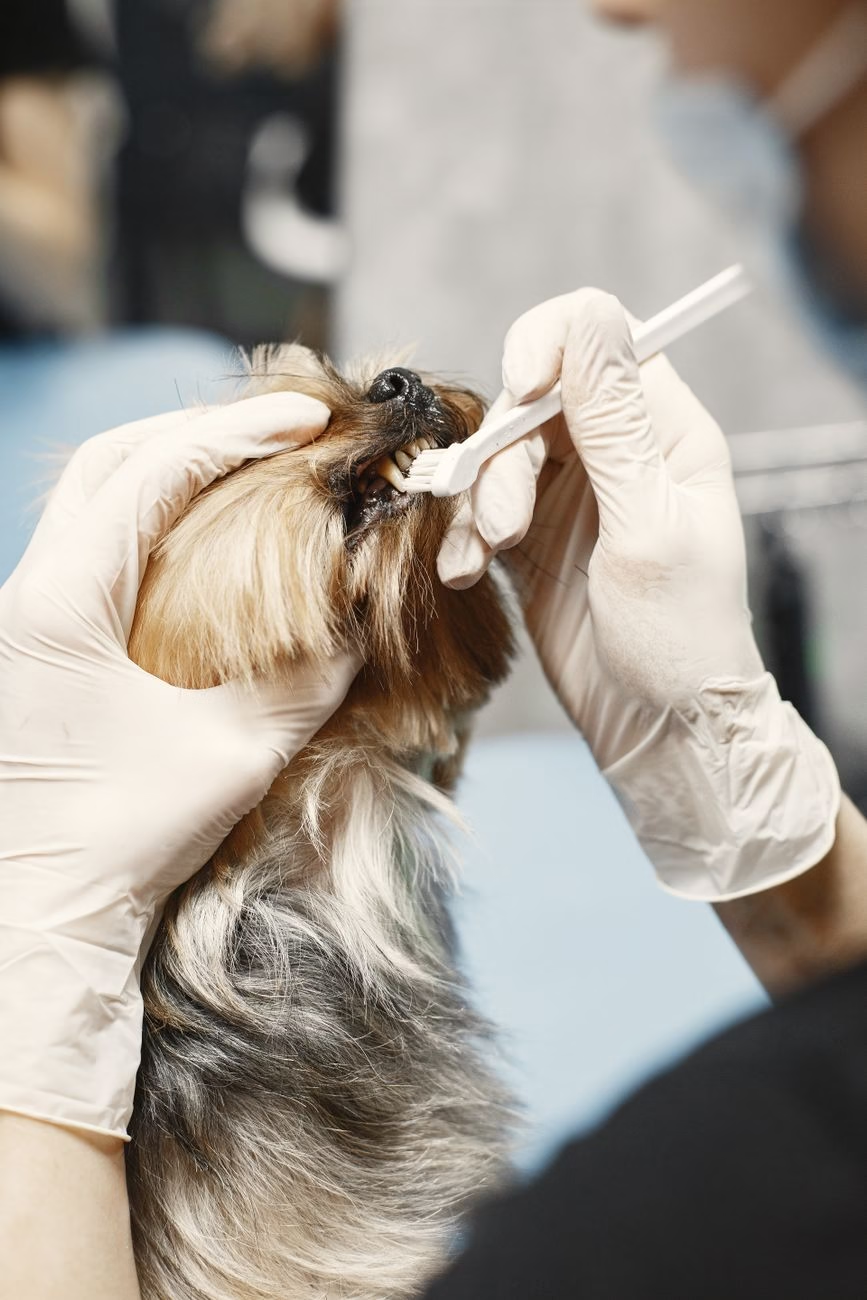
- Dental health: Looks for tartar, gum disease, loose teeth, and pain.
- Heart and breathing: Checks for heart murmurs, coughing, or noisy breathing.
- Knees, joints, and mobility: Screens for patellar luxation and stiffness.
- Eyes and ears: Looks for irritation, discharge, cloudiness, or infection.
- Skin and coat: Checks for itchiness, shedding issues, lumps, or parasites.
- Parasite prevention: Reviews flea, tick, and heartworm protection.
- Vaccinations and laboratory screening: Updates needed vaccines and may include blood, urine, or fecal testing.
Common Health Concerns in Small and Toy Breeds
Not every little dog will develop these problems, but they are common enough that owners should know what to watch for.
Dental disease
Small dogs often have crowded teeth, which can trap plaque and lead to gum disease sooner than many owners expect.
Patellar luxation
This refers to a kneecap that slips out of place. You may notice skipping, bunny-hopping, or occasional limping.
Obesity
Extra weight puts strain on joints, breathing, and the heart. Tiny dogs can gain weight from just a small amount of excess food.
Hypoglycemia in very small puppies
Very small puppies may need frequent meals and close monitoring because low blood sugar can become urgent.
Tracheal collapse and heart disease
Some toy breeds are more prone to coughing, reduced exercise tolerance, or breathing changes that deserve veterinary attention.
Eye problems and temperature sensitivity
Small dogs can be vulnerable to eye irritation or injury, and many are more sensitive to cold, heat, and rapid weather changes.
Daily Care That Supports Lifelong Health
- Feed the right amount: Choose a complete, balanced small-breed diet and follow portion guidance from your veterinarian or the food label.
- Brush teeth regularly: Use dog-safe toothpaste and a soft brush or finger brush. Dental chews or dental-care products can help, but brushing is still valuable.
- Exercise safely: Short walks, indoor play, and gentle games help maintain muscle without overdoing it.
- Groom and trim nails: Keep coats clean and nails short to support comfort and mobility.
- Use mental enrichment: Training, puzzle toys, and sniffing games help prevent boredom.
- Protect from falls: Use ramps or steps for furniture when needed and handle tiny dogs carefully.
- Watch the weather: Offer coats in cold weather, shade and water in hot weather, and never leave a small dog in a parked car.
Warning Signs That Need a Call to the Veterinarian
Contact your veterinarian promptly if you notice difficulty breathing, collapse, weakness, repeated vomiting or diarrhea, sudden pain, loss of appetite, seizures, pale gums, or major changes in thirst or urination. These signs can point to a serious problem, and small dogs may become unstable faster than larger dogs.
Practical Preventive-Care Checklist
Daily
- Measure meals and limit extra treats.
- Offer fresh water and observe appetite.
- Check for coughing, limping, vomiting, or unusual behavior.
- Brush teeth or use a vet-approved dental product.
Weekly
- Inspect ears, eyes, skin, and coat.
- Weigh your dog if possible, or monitor body shape and energy.
- Trim nails if needed and review parasite prevention.
Monthly
- Refill flea, tick, and heartworm preventives as prescribed.
- Review food portions and treat intake.
- Look for changes in coughing, mobility, or bathroom habits.
Annually
- Schedule a wellness exam, vaccines, and lab screening as recommended.
- Discuss dental care and the need for professional cleaning.
- Reassess diet, exercise, and age-related changes with your veterinarian.
Healthy Food Additions and Simple Recipes
These options can be used as occasional toppers or treats, not as a replacement for a complete and balanced dog food. Keep treats and toppers to about 10% or less of your dog’s daily calorie intake, and introduce new ingredients gradually. Some dogs do not tolerate dairy well, so watch closely for stomach upset. For dogs with allergies, pancreatitis, kidney disease, diabetes, obesity, or other medical conditions, ask your veterinarian to approve any recipe first.
1) Plain Cooked Chicken or Turkey with Pumpkin
Ingredients: Plain cooked chicken or turkey, no skin or seasoning; plain canned pumpkin.
Preparation: Finely chop or shred the meat and mix with a small spoonful of pumpkin.
Serving suggestion: For a small dog, start with 1 teaspoon to 1 tablespoon total, depending on size.
Storage: Refrigerate in a sealed container for up to 3 days.
Note: Keep the portion small so treats stay within 10% of daily calories.
2) Cooked Lean Meat with Green Beans or Carrots
Ingredients: Plain cooked lean beef, chicken, or turkey; steamed green beans or carrots.
Preparation: Dice into tiny pieces and mix lightly.
Serving suggestion: Offer 1 to 2 teaspoons for most toy breeds, or a small spoonful for slightly larger small dogs.
Storage: Refrigerate for up to 3 days; discard if it smells off or changes texture.
Note: Avoid butter, salt, onions, garlic, and seasonings.
3) Plain Cooked Egg with a Small Amount of Vegetables
Ingredients: One plain scrambled or hard-cooked egg; a few finely chopped cooked vegetables such as carrots or green beans.
Preparation: Cook thoroughly without oil, butter, or seasoning, then chop into bite-size pieces.
Serving suggestion: Offer a few small bites for a toy dog or a small spoonful for a small-breed adult.
Storage: Refrigerate and use within 2 days.
Note: Introduce slowly in case your dog has a sensitive stomach.
4) Plain Canned Pumpkin or Sweet Potato
Ingredients: Plain pumpkin puree or plain cooked sweet potato, mashed.
Preparation: Serve plain or mix a tiny amount into regular food.
Serving suggestion: Start with 1 teaspoon for very small dogs.
Storage: Refrigerate for up to 5 days or freeze in small portions.
Note: Use only plain versions with no added sugar or spices.
5) Frozen Yogurt and Blueberry Treat
Ingredients: Plain unsweetened yogurt and a few blueberries.
Preparation: Mix and freeze in a silicone mold or ice cube tray.
Serving suggestion: Offer a very small piece to start, especially for tiny dogs.
Storage: Freeze up to 2 weeks in a sealed container.
Note: Dairy may upset some dogs, so use caution and stop if stomach upset occurs.
Foods Dogs Should Never Eat
Keep the following foods out of reach: chocolate, grapes and raisins, onions, garlic, xylitol, macadamia nuts, alcohol, cooked bones, and foods that are excessively fatty, salty, or heavily seasoned. If your dog may have eaten any of these, contact your veterinarian or an emergency clinic right away.
Small and toy-size dogs thrive when owners combine careful feeding, regular dental care, safe exercise, and timely veterinary visits. A little planning goes a long way, and the payoff is a happier, healthier companion who can enjoy every stage of life with you. When in doubt, call your vet early rather than waiting, and use checkups to fine-tune your dog’s routine as they grow and change.
Schedule regular wellness visits, stay alert to subtle changes, and explore appropriate pet-care products at PetHomeGoods.com to support your dog’s daily health with confidence.

Related Posts